practical guide
How to Write a Charter Cancellation Policy That Survives a Chargeback
Deposits, captain's call weather rules and refund language decide who eats the loss when a front moves in. Here is how to build a policy clients agree to in writing and a processor will back in a dispute.
What the captain's call standard actually means
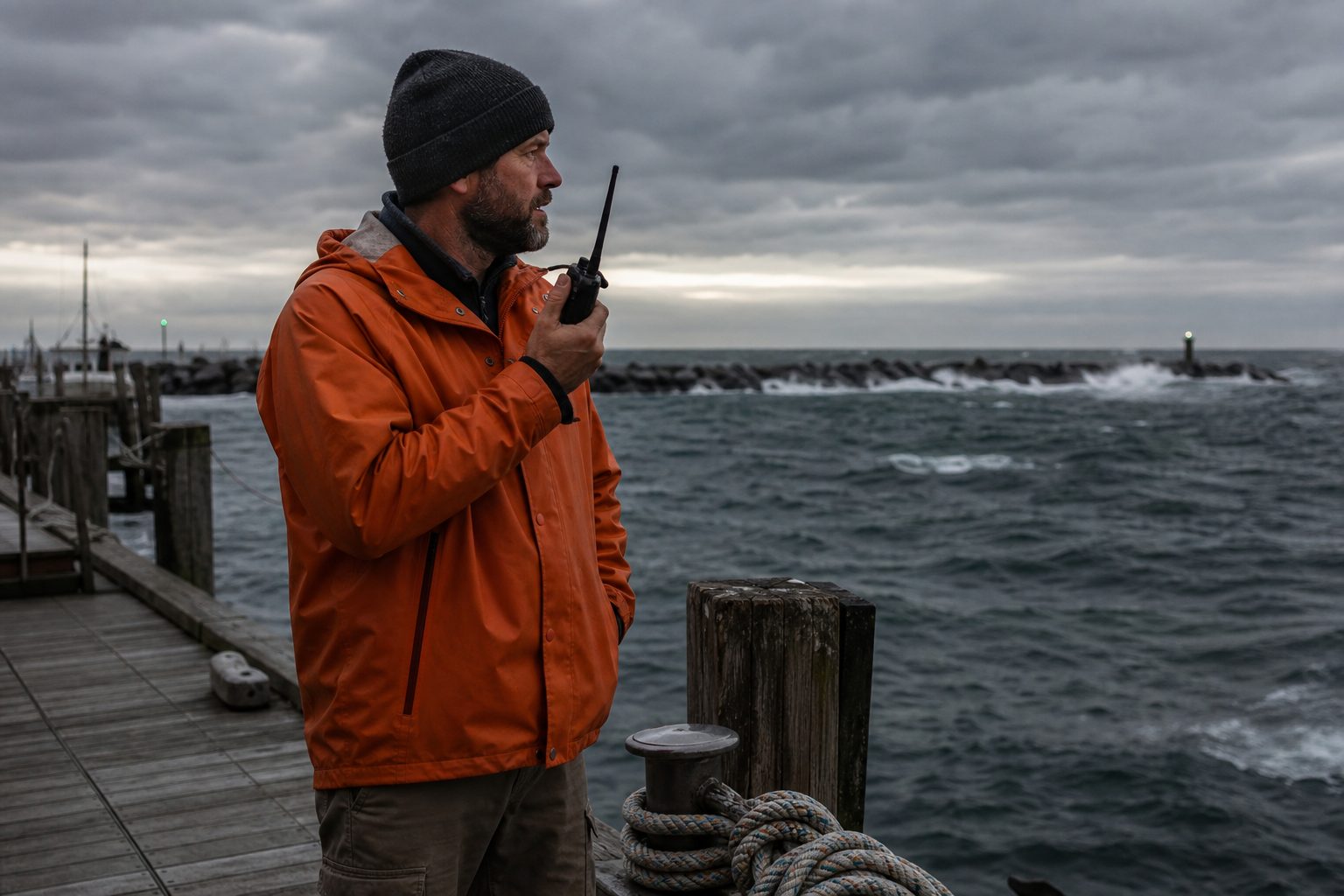
"Captain's call" is the clause in most charter agreements that gives the captain the authority to decide if weather or other conditions make it unsafe or impractical to run the trip. This is not just a tradition, it is a recognized industry practice. The phrase protects both the operator and the client, but only if the rules are spelled out and accepted ahead of time.
For the captain, this means having clear, specific language in the booking terms that sets out what triggers a cancellation. Clients should know that once the captain determines the trip cannot go ahead for safety reasons, the policy comes into play. Avoid vague language like "bad weather", be precise about who makes the call and under what circumstances.
It is important to make sure that the client acknowledges this authority. Many disputes come from misunderstandings, such as when a client arrives expecting to fish in borderline conditions, only to be turned away. The policy should not leave room for argument about who gets the final say.
Keep reading: OUPV Six Pack vs Master 100 Ton: Which License Your Charter Needs
Deposit size, balance timing and what stays nonrefundable
The deposit is your first line of defense against last-minute cancellations and no-shows. It also shapes the conversation if a chargeback is filed. Most operators set deposits to cover at least fixed costs and potential lost business if a booking cancels close to the trip date. This might be 20 to 50 percent of the trip price, payable at booking, with the balance due just before departure or on the dock.
If the deposit is labeled "nonrefundable," the policy must define when and why. Card processors and courts will want to see that the client agreed to this term before paying. If you refund deposits in some cases, such as weather cancellations or if you rebook the slot, make that clear in your written policy. Do not call a fee nonrefundable if you routinely make exceptions, as this can undermine your case in a dispute.
Timing matters. If the balance is due on the day of the trip, spell out whether you will charge it automatically or require the client to pay on arrival. The more specific your policy, the easier it is to enforce and defend if challenged by a bank or card network.
Defining a weather cancellation in wind, seas and advisories
Weather is the grayest area in most cancellation policies. A client's idea of "bad weather" can differ sharply from what a captain considers unsafe. To avoid arguments, set clear, measurable standards in your policy. Use wind speed, wave height, or official advisories as your trigger points.
Objective weather thresholds
Many captains specify wind speeds (such as "sustained winds over 20 knots"), sea conditions ("seas over four feet"), or government-issued advisories ("Small Craft Advisory in effect for our zone as of trip time"). These can be checked against public records later if needed. Avoid subjective language like "weather permitting" without further explanation.
Local conditions and trip type
Some fisheries are less tolerant of weather than others. Inshore trips might run when offshore trips are canceled. Spell out the distinctions in your policy. If certain targets (like tarpon or tuna) need specific weather for success, note whether the trip cancels or just shifts to a backup plan.
Be explicit about who checks the forecast, when the decision is made, and, if possible, which sources are used. This helps in the event of a dispute, as you can show you followed the process described in your policy.
Keep reading: Charter Boat Insurance Mistakes: Crew, Passengers and Named Operators
Refund, reschedule or trip credit: picking one default
When a trip cancels for reasons outside anyone's control, you need a default remedy. Most clients expect a refund, but some operators prefer to reschedule or issue trip credit for a later date. The key is to pick one as the default and state it clearly in your terms.
Refunds
A full refund is usually the cleanest solution and gives the client the least reason to dispute a charge. If this is your standard practice, say so in your policy. Note how and when the refund is processed, immediately, within a set number of days, or after a rebooking attempt.
Rescheduling and trip credit
If you offer to reschedule or provide credit toward a future trip, specify how the credit works and how long it is valid. Clients forced to accept credit should sign off on this in writing, especially if your card processor asks for proof of agreement. Avoid ambiguous promises like "we'll work something out." State the specific remedy in your policy, and stick to it.
Whatever you choose, make sure clients agree before money changes hands. If you offer options, list them in priority order or attach conditions ("refund offered if rescheduling is not possible within 60 days"). Consistency helps you defend your decision if a client later files a chargeback.
Getting written acknowledgment before the boat leaves the slip
Every policy is only as good as the documentation behind it. The best practice is to get the client's acknowledgment in writing at the time of booking and again before the trip starts. This can be a checkbox on an online form, a signed paper agreement, or a digital signature.
If your policy changes based on weather or other conditions, provide an updated acknowledgment before departure. For example, if you offer a backup plan (like switching from offshore to inshore), have the client sign off on the change. Keep a copy with the date and time stamp.
Most card processors and banks want to see that the client agreed to your terms knowingly and voluntarily. If a dispute arises, this acknowledgment can be the difference between keeping and losing your deposit. Make sure your booking platform or office process stores these records in a way you can retrieve later.
See how TransomBooking handles this for charter fishing and marine tourism
How card networks treat a canceled trip dispute
When a client files a chargeback after a canceled charter, the card network will review the evidence to decide who keeps the funds. They look for a clear, fair policy that the client agreed to before booking. They also favor documentation that shows the reason for cancellation and what was offered in response.
If your policy gives you sole authority to cancel for weather, but does not define what counts as unsafe, the network may side with the client. If your policy is specific, listing wind or seas, and signed by the client, your odds improve. Policies that require written acknowledgment and follow a standard remedy (like an immediate refund) are easier to enforce.
Banks also want to see that you applied your policy consistently. If you refund some clients but not others, or apply rules differently across trips, you weaken your case. Stick to your written policy, and handle each cancellation according to the terms the client accepted.
What evidence to keep in the days after a scrubbed charter
If a charter cancels, your record-keeping in the days following the event can make or break your defense in a chargeback. Save the weather forecasts or advisories from the day of cancellation. Take screenshots or download PDFs from reputable sources. These can demonstrate that your decision matched your stated policy.
Keep all correspondence with the client, including text messages, emails, and phone logs. If you explained the situation, offered a remedy, or got written agreement to a reschedule or credit, save those communications. If the client acknowledges the cancellation reason, or thanks you for your flexibility, these messages can be powerful evidence.
Retain proof of any refund, credit issued, or rescheduled trip. Bank statements, transaction receipts, or confirmation emails help show you followed through on your policy. Store all signed agreements or acknowledgments in a central place, and back them up regularly.
In the event of a dispute, you may have only a few days to submit documentation. Organize your files after every canceled trip, not just when a chargeback arrives. Some booking tools automate this record-keeping, reducing your administrative load and improving your chances if you need to contest a dispute later.
Charter operators who use digital platforms that capture deposits, enforce cancellation policies, and store all client communications have a stronger position in chargeback disputes. Tools that automate float plan generation and document weather-based cancellations make it easier to show you followed your policy. With these systems in place, you spend less time on paperwork and more time running trips.
More from Charter Log
Read also
OUPV Six Pack vs Master 100 Ton: Which License Your Charter Needs
Six passengers or twenty seven, uninspected hull or inspected Subchapter T, inland or near coastal. The two credentials rest on different sea service, tonnage and vessel rules, and the choice sets your ceiling for years.
Charter Boat Insurance Mistakes: Crew, Passengers and Named Operators
A pleasure use hull policy will not answer for a paying passenger or an injured mate. These are the coverage gaps that surface after the claim: crew status, protection and indemnity limits, and who is named to run the boat.
Federal For Hire Permits and Reporting for Gulf and Atlantic Charters
Reef fish, coastal migratory pelagics, snapper grouper and highly migratory species each carry their own for hire permit, and most now carry a reporting duty. Here is what each covers and when filings are due.