regulation and compliance
Federal For Hire Permits and Reporting for Gulf and Atlantic Charters
Reef fish, coastal migratory pelagics, snapper grouper and highly migratory species each carry their own for hire permit, and most now carry a reporting duty. Here is what each covers and when filings are due.
Which federal permits a for hire trip actually requires
Federal rules for for hire boats target species and waters. Operating in federal waters, beyond state lines, usually three miles offshore on the Atlantic and nine miles in the Gulf, means federal permits apply. These permits are issued to the vessel, not the captain. For hire means carrying passengers for compensation, whether that is money or any other form of payment.
Most federal permits fall into four categories: Gulf reef fish, Gulf coastal migratory pelagics (CMP), South Atlantic snapper-grouper, and highly migratory species (HMS). Each comes with its own reporting duty and coverage rules. If your charter offers trips for any species on these lists, or even targets them incidentally, the right permit must be aboard.
A trip that stays inside state waters and targets only state-managed species does not require these federal permits. However, many common charter targets, grouper, red snapper, king mackerel, dolphin, wahoo, sharks, fall under federal oversight. If the trip crosses into federal waters or lands federally managed fish, compliance is mandatory.
Keep reading: After the Conception Fire: What Changed for Small Passenger Boats
Gulf reef fish and coastal migratory pelagics charter permits
Gulf reef fish and CMP permits are required for any for hire vessel fishing for or possessing those species in federal Gulf waters. Reef fish include red snapper, gag, amberjack, and several grouper species. Coastal migratory pelagics include king and Spanish mackerel and cobia.
The Gulf reef fish for hire permit is limited access. No new permits are issued, only renewals and transfers. The Gulf CMP for hire permit is also limited access. Both must be renewed annually, and expired permits may not always be reinstated. Transfers require both vessels to be under the same ownership, or a formal sale.
These permits allow trips anywhere in federal Gulf waters, but not in the South Atlantic or other regions. Many operators hold both permits, as reef fish and pelagics are often targeted together. Permitted vessels may not lease out their permit for use on another boat.
South Atlantic snapper grouper and dolphin wahoo permits
For hire trips in the South Atlantic (North Carolina through east Florida) that target the snapper grouper complex or dolphin and wahoo require separate federal permits. The snapper grouper permit covers species like vermilion snapper, black sea bass, and gag grouper, among others.
The South Atlantic dolphin wahoo for hire permit is needed for trips targeting or landing those species in federal waters. Like in the Gulf, these two permits are both limited access and must be renewed every year. Transfers are allowed but follow strict NMFS rules.
These permits are only valid in the South Atlantic region. Operators who run trips in both the Gulf and South Atlantic must hold the appropriate permits for each region. Snapper grouper and dolphin wahoo permits come with mandatory trip-level reporting, even if no fish are landed.
Keep reading: Descending Devices, Circle Hooks and Where Release Rules Head Next
The HMS charter headboat permit and the shark endorsement
The Highly Migratory Species (HMS) Charter/Headboat permit is required for any for hire trip targeting or retaining Atlantic tunas, sharks, swordfish, or billfish in federal waters. This includes bluefin, yellowfin, and bigeye tuna, as well as common shark species.
The HMS permit is open access, available to qualified vessels without a cap. A shark endorsement is needed if the charter intends to retain any large coastal sharks, small coastal sharks, or pelagic shark species. The endorsement is an additional step on top of the base HMS permit.
HMS permits allow operation along the entire Atlantic seaboard and Gulf of Mexico, but the shark endorsement brings extra rules. Retention limits for sharks are strict and can change mid-season. Vessels must also comply with gear restrictions, such as the use of circle hooks and specified leader types.
HMS charter trips must report landings of tunas, swordfish, and billfish within 24 hours, and maintain compliance with electronic trip reporting where required.
Limited access permits, transfers and the renewal window
Most for hire permits in the Gulf and South Atlantic are limited access. No new permits are issued; they must be transferred from an existing vessel or owner. This policy aims to control fishing pressure and maintain sustainable stocks.
Transfers require documented sales or changes in ownership, and both parties must complete NMFS paperwork. The process can take weeks, especially if documentation is incomplete. Transferred permits can only go to US citizens or entities, and the vessel must meet federal safety requirements.
Renewals are annual, with reminders sent by mail or email. Operators must submit the renewal before the expiration date to avoid a lapse. Late renewal may lead to permanent loss of the permit. NMFS allows a grace period for certain permits, but once the grace window closes, the permit cannot be reinstated.
Keeping addresses and contact information current with NMFS is critical to receiving renewal notices and avoiding missed deadlines.
See how TransomBooking handles this for charter fishing and marine tourism
Electronic trip reports: what counts as a trip and when to file
Federal for hire permits now carry trip-level electronic reporting requirements in most Gulf and South Atlantic regions. A "trip" is any departure from port with paying passengers, regardless of catch or distance traveled, if targeting or possessing federally managed species.
Reports must be filed for every trip, including those where no fish are caught or kept. The Gulf requires reports to be submitted before returning to the dock, while the South Atlantic allows a slightly longer filing window, but still expects rapid submission. The goal is near real-time data on fishing activity and catches.
Missed or late reports can result in permit suspension or fines. Some programs require electronic reporting devices or apps, while others allow web entry. The report asks for species targeted, locations fished, duration, number of anglers, and catch or release data.
In the HMS program, electronic reporting of certain species, such as bluefin tuna, is required within 24 hours of landing. Charter operators must stay current on software updates and device requirements, as systems may change.
Trip declarations, hail outs and no fishing reports
Many permits require a trip declaration, or "hail out," filed before departing on each for hire trip. This declaration tells authorities when and where a vessel is going, and what it plans to target. Hail outs are mandatory for Gulf reef fish and some South Atlantic fisheries.
Trip declarations can be made by phone, online, or through an app. The captain provides departure location, estimated return, and target species or areas. If plans change, the declaration can sometimes be updated before leaving.
Even when no trips are run in a reporting period, many programs require a "no fishing" report. This can be weekly or monthly, depending on the region. Missing a no fishing report has the same consequences as missing a trip report, including possible permit suspension.
Staying organized and setting reminders are practical steps to avoid lapses. Some electronic reporting tools can automate no fishing submissions and trip declarations, reducing the chance of oversight.
Records to keep aboard and what an inspection asks for
During an inspection, officers check for valid federal permits, proper vessel documentation, and current safety gear. The original permit or a legible copy must be aboard the vessel for each relevant fishery. For HMS trips, the permit and any endorsements, such as the shark endorsement, must be present.
Inspectors may ask for logbooks, recent trip reports, and proof of timely electronic reporting. Some region-specific rules require carrying a paper or electronic copy of the last submitted report, or a confirmation number. Failure to produce documentation can result in a warning or citation.
Catch records may be checked against reports, especially for high value or quota-managed species such as red snapper or bluefin tuna. Retention of catch receipts, trip sheets, and hail out confirmations is recommended for at least one year. Maintaining tidy, accessible records on board can save time during an inspection and help avoid penalties.
Many operators use digital tools to keep required documents and reporting confirmations organized and accessible. A platform that handles trip booking, deposit capture, weather cancellation rules, and automatic float plan generation can also help keep regulatory paperwork in order and support compliance on every trip.
More from Charter Log
Read also
After the Conception Fire: What Changed for Small Passenger Boats
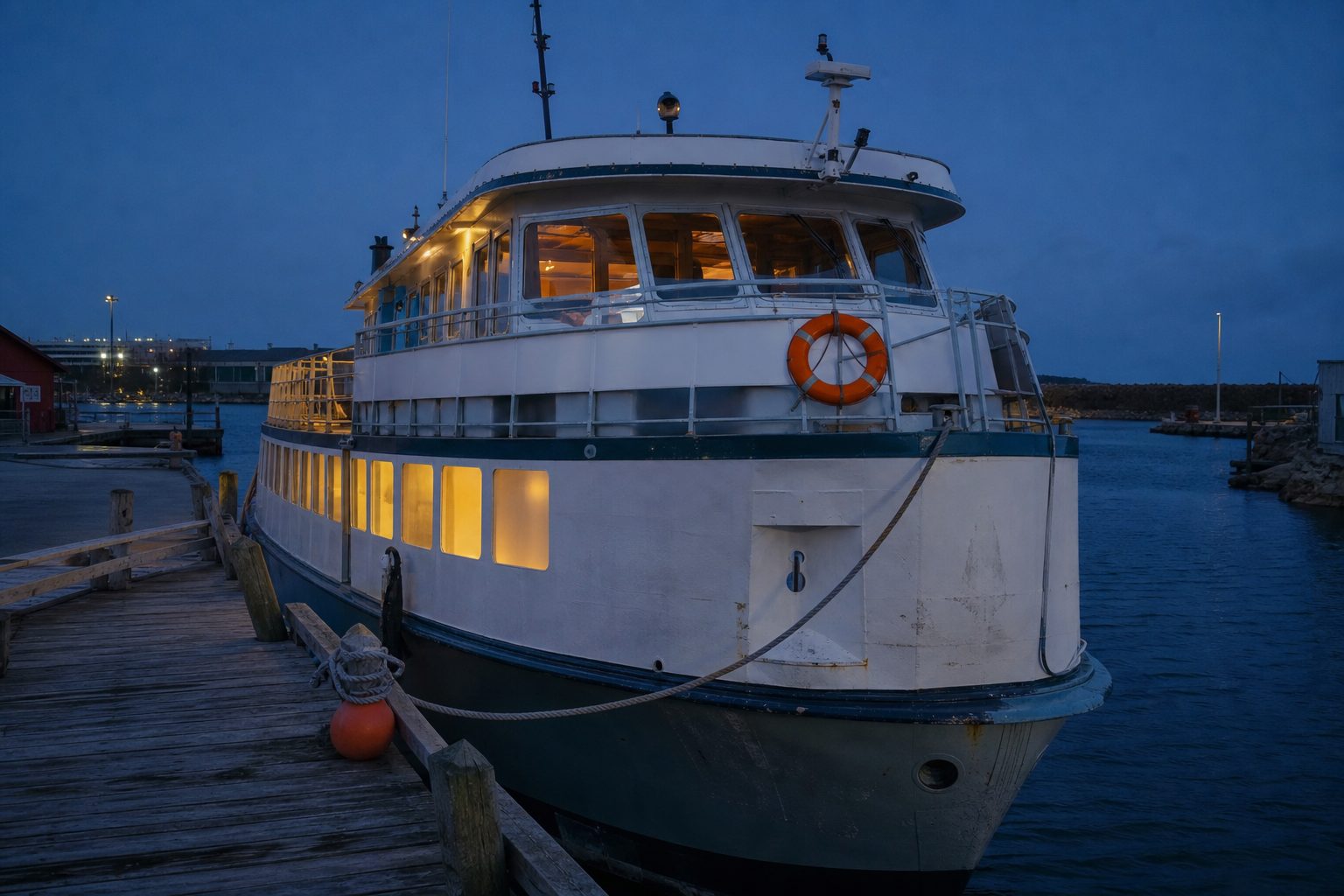
The 2019 Conception fire led to the Small Passenger Vessel Safety Act and Coast Guard rules on night watch, smoke detection and escape routes. Here is what each requirement asks of a boat and crew today.
Descending Devices, Circle Hooks and Where Release Rules Head Next
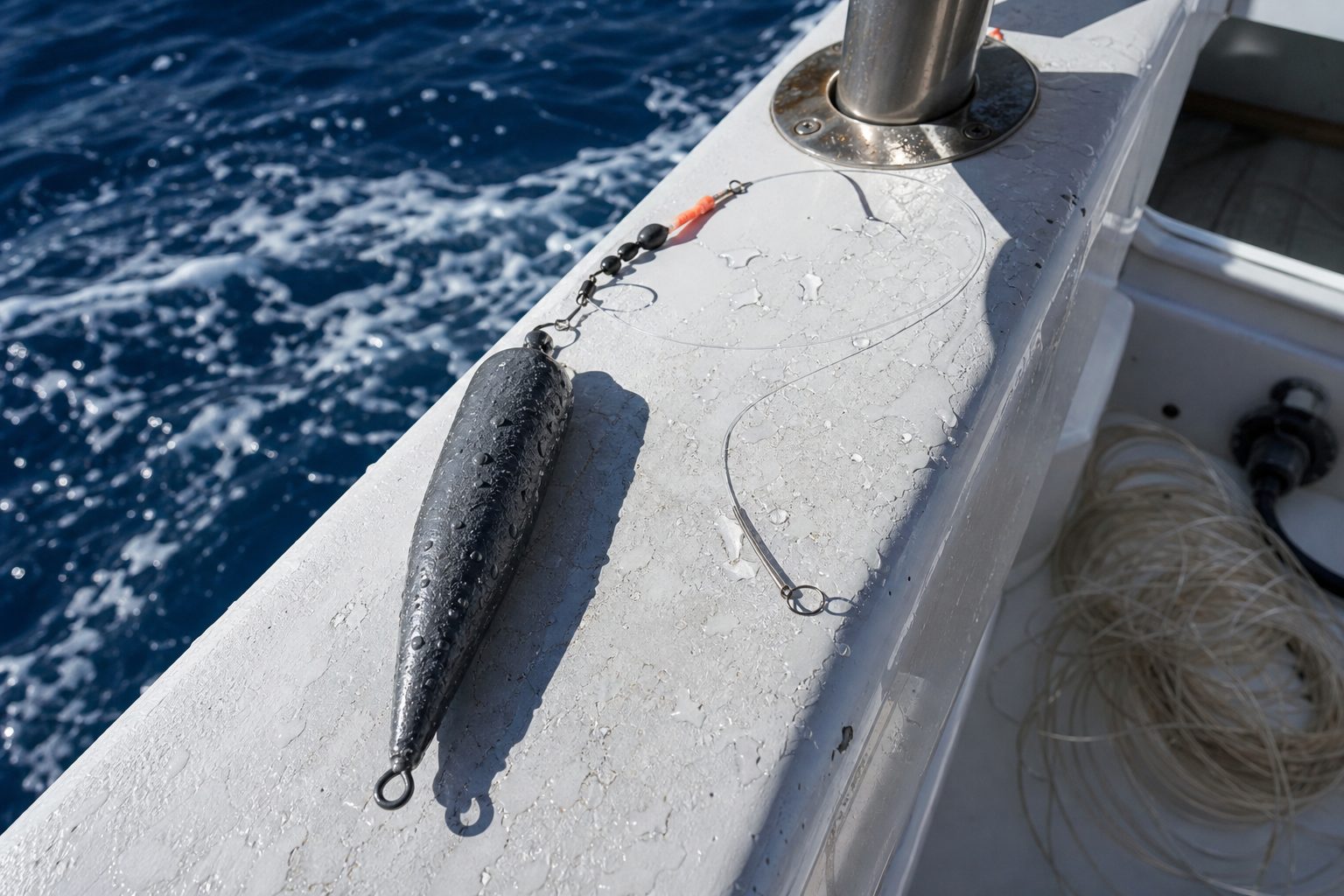
The DESCEND Act put a descending device on every reef fish boat in Gulf federal waters, and circle hook and safe release rules keep spreading. A look at the gear required now and the rules forming behind it.
Dockside Safety Checklist for a Six Passenger Charter Trip
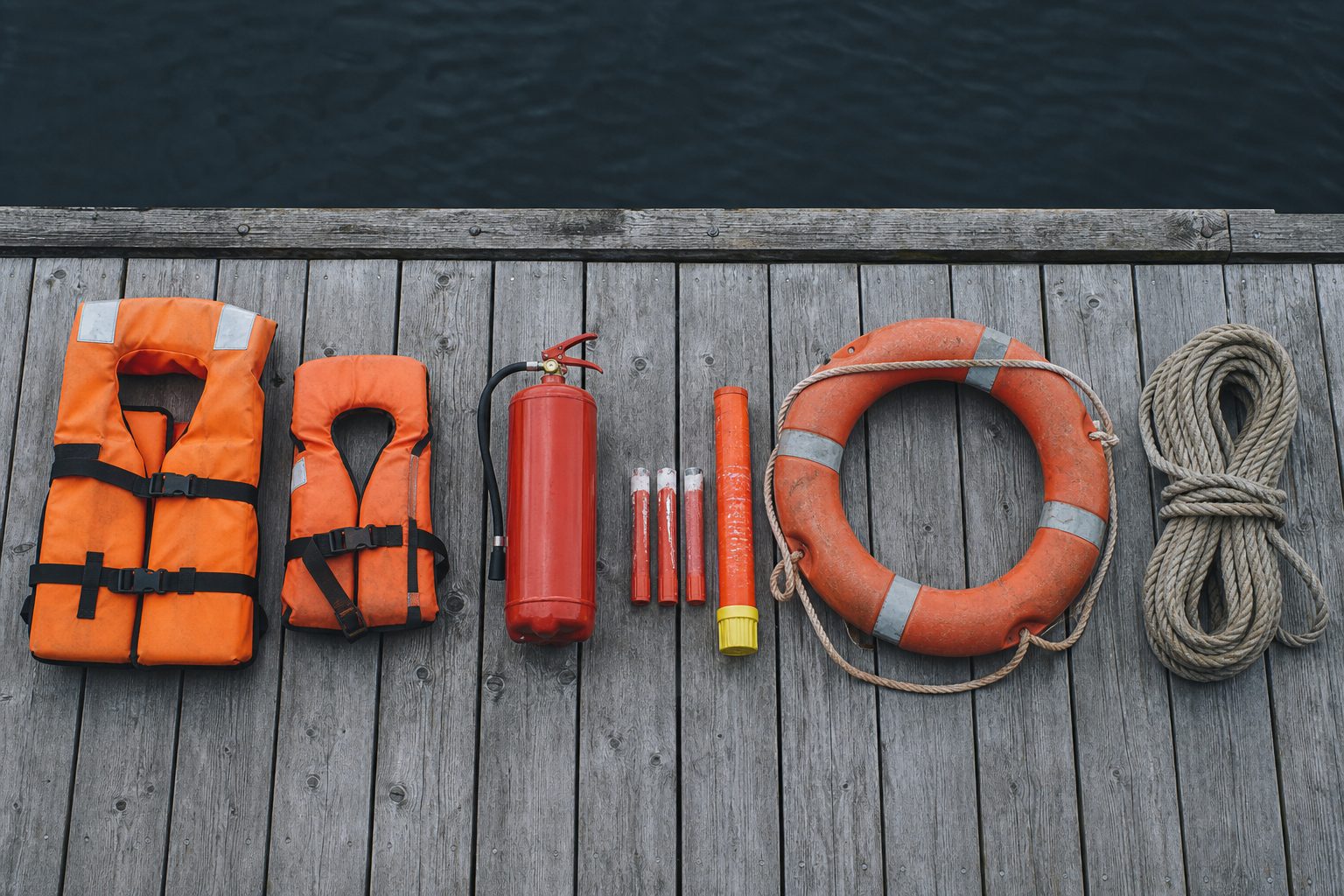
Life jackets, visual distress signals, extinguishers, placards and the float plan left ashore. A dockside sweep in the order a boarding officer would run it, so nothing is missing when the lines come off.