trends and outlook
Descending Devices, Circle Hooks and Where Release Rules Head Next
The DESCEND Act put a descending device on every reef fish boat in Gulf federal waters, and circle hook and safe release rules keep spreading. A look at the gear required now and the rules forming behind it.
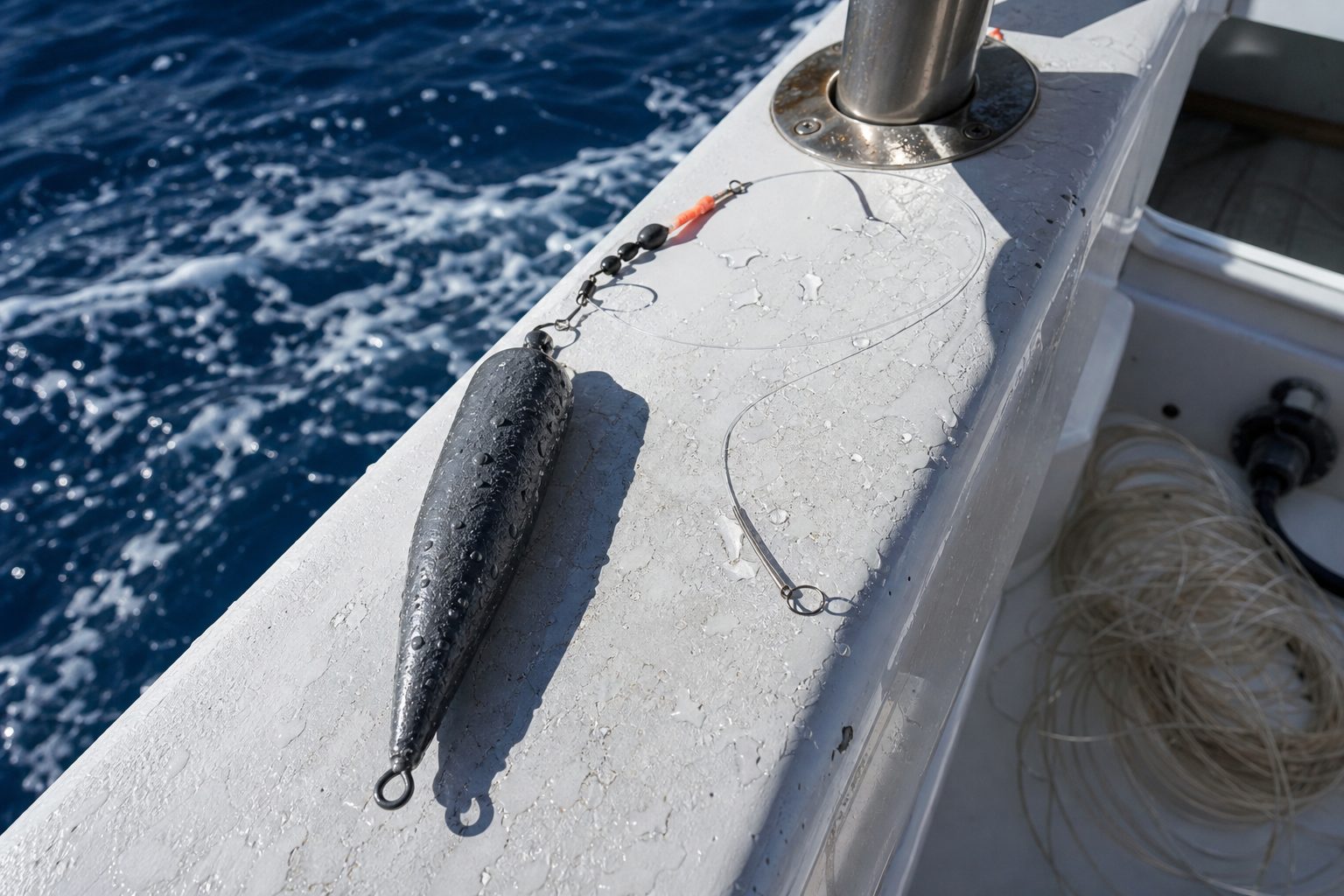
What the DESCEND Act requires to be rigged and ready
The DESCEND Act set a clear requirement for federally permitted vessels targeting reef fish in the Gulf of Mexico. Every vessel must have a descending device rigged and ready for use any time reef fish are on board, regardless of whether the captain plans to release fish or not. The law does not specify a particular brand or design, but it does define the basic function: the device must be capable of returning a fish to at least 50 feet deep, or to a depth sufficient to allow the fish to recover from barotrauma.
Operators must ensure the descending device is attached to a minimum of 16 ounces of weight and is on hand, not stowed below deck. The device must be functional, with line and weight ready, so it can be deployed immediately when needed. The act also recognizes venting tools as an alternative in some cases, but descending devices are the focus for compliance checks on the water.
Enforcement officers in the Gulf have begun routine checks during boardings, looking specifically for descending gear meeting these criteria. For most charter boats, that means dedicating a rigged rod, a hand line, or a pole to descending device duty. Many captains keep the rig clipped and coiled near the transom or fish box, so it is visible and accessible.
Keep reading: Dockside Safety Checklist for a Six Passenger Charter Trip
Barotrauma and why release gear became a management tool
Barotrauma is the physical damage that reef fish suffer when brought to the surface from depth. Their swim bladders expand as pressure drops, causing stomachs to protrude, eyes to bulge, and organs to shift. Without intervention, many released fish float away unable to return to depth, making them easy prey for predators or dooming them to die at the surface.
The widespread use of release gear came from the need to reduce what biologists call "discard mortality", the number of fish that do not survive after being released. In the past, venting tools were the main approach, puncturing the swim bladder to allow the fish to swim down. However, studies showed that descending devices, which carry the fish back to depth and release it under pressure, often result in higher survival rates for many species.
Fisheries managers have turned to mandatory release gear as a way to address mortality that comes not from harvest but from regulatory discards. By requiring descending devices and venting tools, they aim to keep more fish alive, strengthen stock assessments, and help keep fishing seasons open longer by lowering the estimated impact of catch-and-release.
Non offset circle hooks in reef fish and billfish fisheries
The push for non offset circle hooks in both reef fish and billfish fisheries comes from studies showing these hooks reduce deep hooking and injury. Unlike traditional J-hooks or offset circle hooks, the non offset style ensures the hook point aligns with the shank, making it more likely to catch in the corner of the mouth. This makes removal easier and reduces the risk of internal injuries to the fish.
In the Gulf of Mexico and South Atlantic, non offset circle hooks are now required for natural bait fishing for reef fish in federal waters. The same rule applies to billfish tournaments and many catch-and-release events. Captains and crew must keep a supply of appropriately sized non offset circle hooks on board and use them when targeting snapper, grouper, amberjack, and similar species.
Some state waters have adopted similar rules, especially where state and federal reefs overlap. Guides working near boundaries need to keep up with both sets of regulations. In addition, some tournaments and private clubs have moved to voluntary use of non offset circle hooks, citing improved release survival as the main reason.
Keep reading: Cost Per Charter Day: Building a Real Break Even for Your Boat
Shark handling, dehooking tools and release protocols
Sharks present a different set of release challenges for charter operators. Many shark species are protected, and most others are subject to size limits and tight quotas. The rules require captains to minimize handling, use non offset circle hooks, and carry a set of dehooking tools. This typically means long-handled pliers, bolt cutters, and a hook removal device designed to keep hands clear of the mouth.
The protocol is straightforward: avoid bringing the shark aboard unless specifically authorized, keep it in the water for release, and use gear that allows quick hook removal or line cutting. For larger sharks, a long-handled dehooker or hook cutter is essential. If the hook cannot be removed quickly and safely, cutting the leader as close to the hook as possible is the recommended approach.
Some areas require or strongly encourage the use of non stainless steel hooks, which rust out more quickly if left in the fish. Crews in shark-heavy waters often train on these procedures at the start of each season, and many insurance policies now check for evidence of dehooking tools and safe handling protocols during accident investigations.
Approach distance rules that shape wildlife viewing trips
Wildlife viewing trips, including dolphin, turtle, and seabird tours, face a growing body of approach distance regulations. Federal law prohibits harassment or disturbance of marine mammals and sea turtles, which includes getting too close, chasing, or altering animal behavior. These rules are enforced by both federal and state officers, and fines for violations can be steep.
Many areas set minimum approach distances: for example, operators may not approach within 50 yards of dolphins or 100 yards of whales. Some states impose even stricter rules in specific habitats or seasons. Local restrictions often apply around nesting seabird colonies or haul-out sites, and these can change year to year based on wildlife counts and management plans.
Guides must train crews to recognize species on the water, judge distances accurately, and interpret animal behavior as a warning to back off. Most insurance carriers require documented crew training on approach rules and safe wildlife viewing practices. Repeat violations can mean loss of permits or exclusion from popular tour areas.
See how TransomBooking handles this for charter fishing and marine tourism
How release mortality research feeds council decisions
Release mortality is the percentage of released fish that do not survive. Councils use estimates of release mortality to set quotas, season lengths, and bag limits. If discard mortality is high, the overall impact of the fishery rises, even if anglers are following the bag limits. This has led to a heavy research focus on how gear, handling, and environmental factors affect fish survival after release.
Studies comparing vented and non vented, descended and non descended fish have driven recent management changes. For species like red snapper and grouper, descending devices have shown clear benefits in survival rates. Management councils look to these studies when making decisions about mandatory gear and handling requirements.
Regional research also examines water temperature, hook type, fight duration, and predator activity. As new data comes in, councils adjust regulations to reflect what works best. For example, evidence showing lower mortality with non offset circle hooks led to their federal requirement. Likewise, research into shark release methods has pushed for more stringent dehooking tool rules and in-water release protocols.
Charter operators play a critical role in this process. Many participate in citizen science programs, providing data on release outcomes and gear performance. This information helps shape future regulations and keeps management grounded in real-world fishing conditions.
Gear and training worth budgeting for in the next two seasons
With the regulatory trend toward more mandatory release gear and stricter handling protocols, operators should plan for both equipment investment and crew training. For descending devices, most boats now carry at least one dedicated rig, but having a backup is advisable, especially for multi-trip days or split charters. Many captains opt for a spare weight and line as well, in case gear is lost or damaged.
Circle hooks should be stocked in a range of sizes suitable for the target species. Non offset circle hooks are now standard for both reef fish and billfish, so ordering in bulk can help keep costs down. Dehooking tools and bolt cutters should be checked before each season, with any worn or corroded gear replaced promptly. Stainless steel tools last longer, but non stainless hooks are often required for sharks.
Crew training is just as important as gear. Many insurance carriers and permit programs now require documented safety and handling training, including proper use of descending devices, safe shark release, and wildlife approach protocols. On-the-water drills at the start of the season can help ensure everyone knows their role and can act quickly under pressure.
Operators should also keep an eye on evolving state and federal rules. Council discussions often hint at coming changes a year or more in advance, giving time to adapt. Keeping up with best practices not only protects fish stocks and wildlife but also reduces the risk of fines or lost business from compliance failures.
Managing all these requirements, gear checks, trip logs, weather cancellations, crew training records, and float plans, can feel like a job in itself. Many operators now rely on booking systems that integrate trip scheduling, deposit capture, weather-based cancellation policies, and automated float plan generation, making compliance and client management easier on busy days.
More from Charter Log
Read also
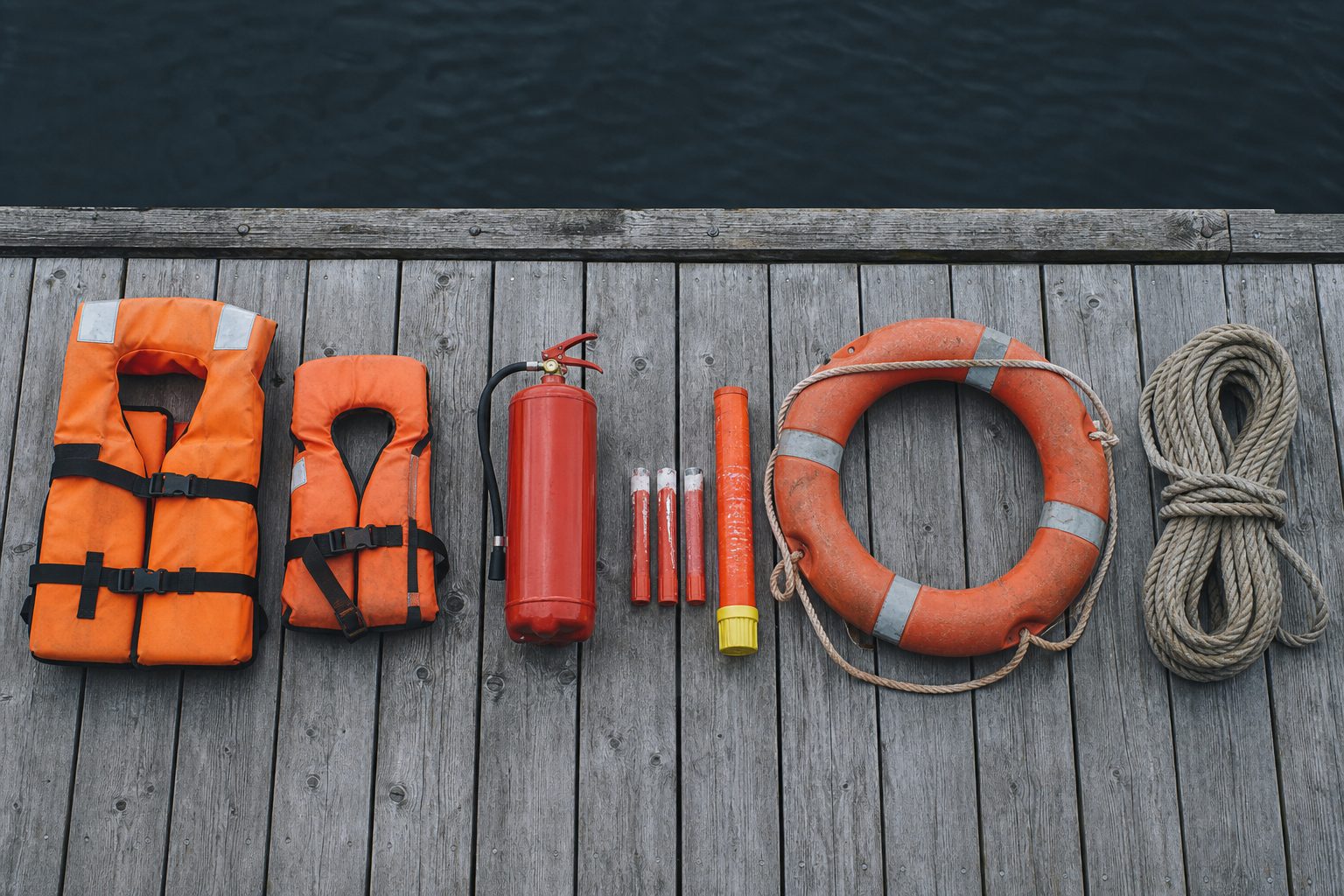
Dockside Safety Checklist for a Six Passenger Charter Trip
Life jackets, visual distress signals, extinguishers, placards and the float plan left ashore. A dockside sweep in the order a boarding officer would run it, so nothing is missing when the lines come off.
Cost Per Charter Day: Building a Real Break Even for Your Boat
Fuel burn at cruise, bait and ice, mate pay, slip fees, insurance, permits and a hull reserve. How to turn those line items into a defensible cost per trip and a floor price you will not undercut.
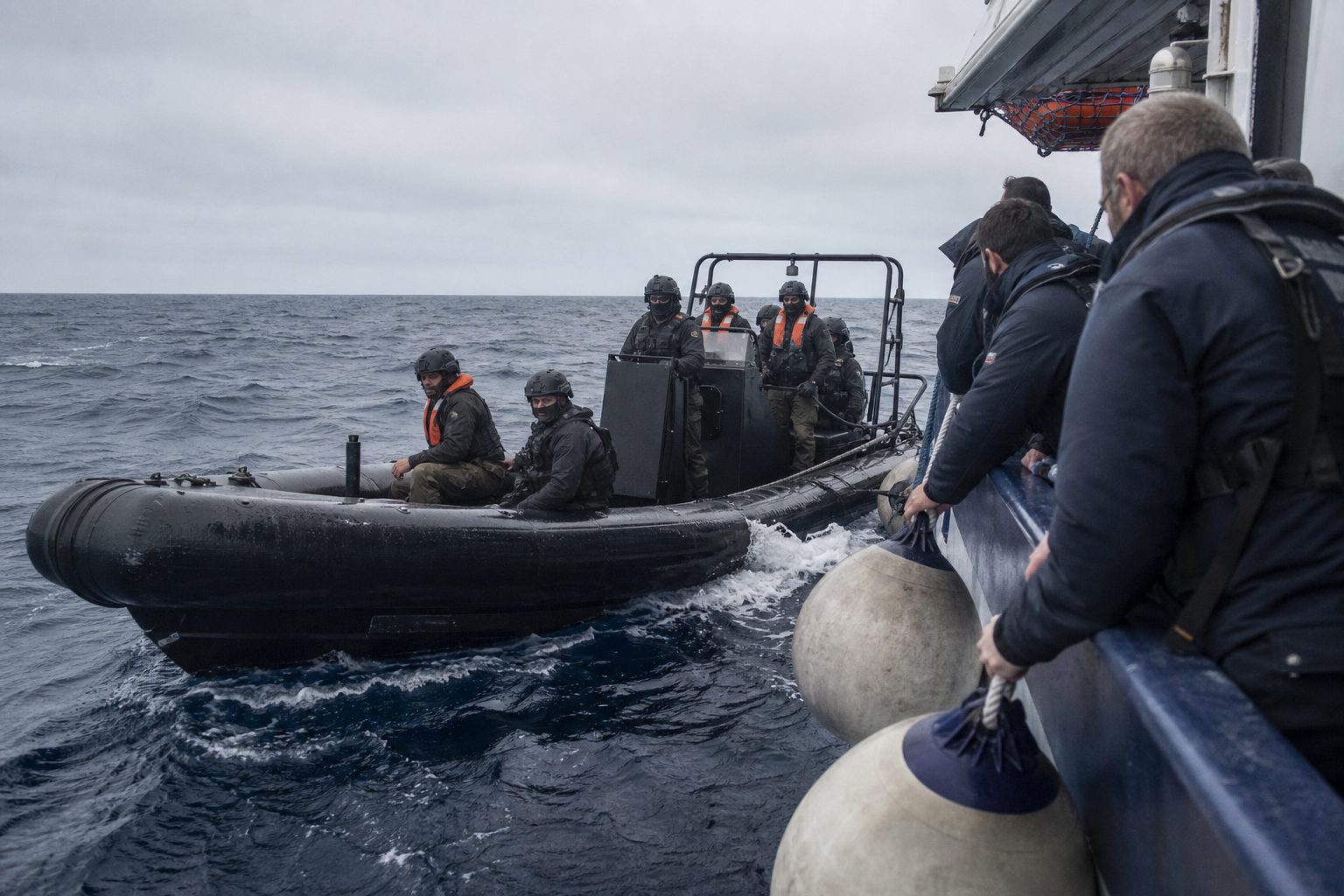
What a Coast Guard Boarding of a Charter Boat Looks Like
The blue light comes on, a small boat comes alongside and two officers step aboard with paying passengers watching. A walk through of what gets checked, in what order, and how the trip usually resumes.