case study
After the Conception Fire: What Changed for Small Passenger Boats
The 2019 Conception fire led to the Small Passenger Vessel Safety Act and Coast Guard rules on night watch, smoke detection and escape routes. Here is what each requirement asks of a boat and crew today.
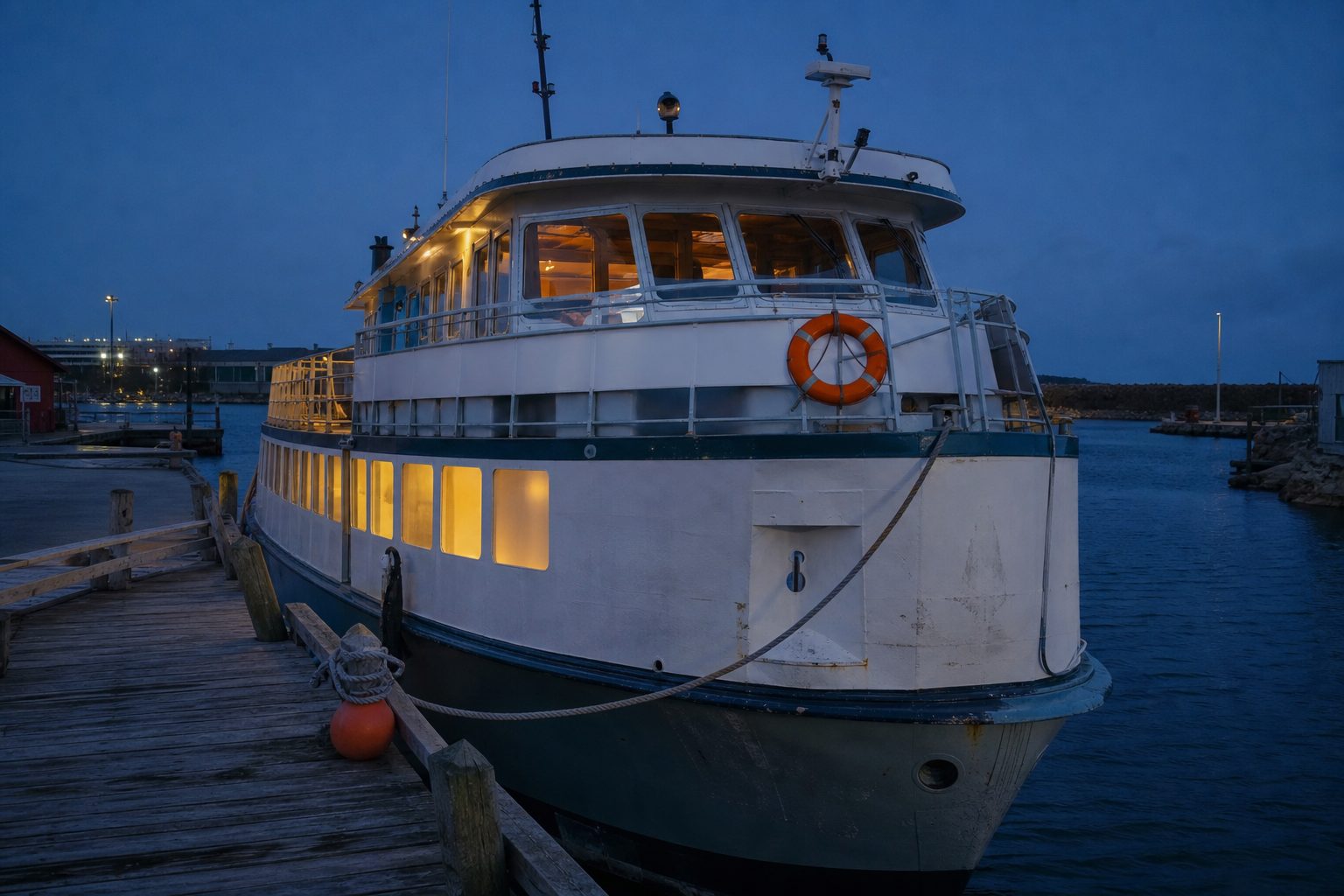
The 2019 fire and the investigation findings that followed
In the early hours of September 2, 2019, the dive boat Conception caught fire off the coast of Santa Cruz Island, California. Thirty-four people lost their lives, making it the deadliest maritime disaster in the United States in decades. The vessel was anchored overnight with 33 passengers and six crew aboard. Most of those who died were sleeping in the below-deck bunkroom.
The National Transportation Safety Board (NTSB) led the investigation. Their report identified multiple causes contributing to the tragedy. These included the absence of a required roving night watch, inadequate smoke detection, limited escape routes from the passenger berthing area, and potential hazards from charging lithium batteries. The NTSB also noted gaps in crew training and emergency preparedness. The fire started in the galley area, and the only two exits from the bunkroom both led through the fire zone.
The Conception disaster exposed safety lapses that were not unique to one operator. Many small passenger vessels in the US followed similar layouts and procedures. The case led Congress to pass the Small Passenger Vessel Safety Act as part of the National Defense Authorization Act in December 2020. The Coast Guard followed with rulemaking and updated inspections, introducing new requirements for overnight passenger boats and, to a lesser extent, for day boats as well.
Keep reading: Descending Devices, Circle Hooks and Where Release Rules Head Next
Roving patrol and the night watch requirement
One of the most significant findings was the absence of an alert crew member on overnight duty. Regulations already required a roving patrol, a crew member awake, making rounds, and able to detect hazards or respond to emergencies. After the Conception fire, enforcement of this rule became a top Coast Guard priority, and the Small Passenger Vessel Safety Act made the requirement explicit.
For vessels with passengers sleeping on board, a crew member must be awake and actively patrolling the boat throughout the night. This is not a passive watch from the wheelhouse or galley. Written logs are now routinely checked during inspections. The watch must be able to alert all passengers and crew in case of fire or other danger and must have access to communication equipment.
Logbook documentation
Operators must maintain a night watch log, recording the name of the person on duty, the time rounds were made, and any observations. Inspectors will ask to see these logs and may look for patterns that suggest the log was filled out all at once. Many operators use paper logs, but some have moved to digital forms or vessel management apps for easier recordkeeping and timestamped entries.
Staffing and scheduling
On boats with small crews, the night watch creates new scheduling demands. Owners often rotate the watch among the crew or hire additional staff for overnight trips. Some captains now stagger sleep schedules to ensure alertness, and fatigue management has become a routine part of trip planning. Failure to comply with the night watch rule can lead to citations, fines, or loss of the vessel's Certificate of Inspection.
Interconnected smoke detection in accommodation spaces
The fire onboard Conception spread through sleeping quarters before anyone could escape. Investigators found that the only smoke detector was battery-powered and not interconnected. The alarm failed to alert all those aboard in time. The new rules mandate interconnected smoke alarms in all passenger accommodation spaces on overnight boats.
System requirements
Smoke detectors must be hardwired and interconnected, so that activation in one location triggers alarms throughout the passenger and crew sleeping spaces. This ensures that no matter where a fire starts, everyone onboard receives immediate warning. The system must be maintained and tested regularly, with records kept for inspectors to review.
Installation challenges
Many older vessels required retrofitting with new wiring and devices. Installers faced obstacles like tight spaces, wooden bulkheads, and electrical interference. In some cases, operators hired marine electricians to ensure compliance. The Coast Guard provides technical guidance on acceptable system types, but the operator is responsible for ensuring the system meets the rule's intent and functions reliably.
Maintenance and testing
The interconnected system must be tested before each overnight trip. If a detector fails, it must be repaired or replaced before carrying passengers. Most operators keep a supply of spare units and document each test in a logbook. Some insurance policies now require proof of functioning smoke detection as a condition of coverage.
Keep reading: Dockside Safety Checklist for a Six Passenger Charter Trip
A secondary means of escape from berthing areas
The Conception's bunkroom had only two exits, both leading into the galley, where the fire started. Trapped by smoke and flames, passengers could not escape. The new rules require a secondary means of escape from each passenger sleeping area, providing an alternative route out of danger.
Types of escape routes
Most operators have installed or upgraded escape hatches, scuttles, or emergency exits. These must be clearly marked, unobstructed, and easy to operate in the dark or in smoky conditions. Coast Guard regulations specify minimum dimensions for escape openings and require that the route does not pass through another sleeping space.
Retrofitting older boats
Retrofitting an escape hatch on an older vessel often means cutting through decks or bulkheads. Some operators have had to redesign stowage and even reconfigure bunks or galley layouts to fit the required route. The Coast Guard reviews each modification during inspection and may require demonstration of egress by crew or surveyors.
Signage and crew briefings
Operators must post clear signage showing escape routes and provide a safety briefing before each trip. Passengers must be shown how to open and use the secondary exit. During Coast Guard inspections, the crew may be asked to demonstrate emergency egress procedures, and the captain must be able to explain the logic behind the escape plan.
Lithium battery charging and stowage of passenger electronics
Lithium battery fires have become a growing concern on all types of boats, not just overnight vessels. On Conception, there were multiple phones, cameras, and batteries charging in the galley area, where the fire likely started. The new rules address charging and stowage of passenger electronics, especially those with lithium-ion batteries, which can ignite and burn intensely.
Charging policies and designated areas
Many operators now provide designated charging stations away from sleeping and galley areas. These stations often include metal enclosures, smoke detection, and fire suppression equipment. Some boats prohibit charging electronics overnight or require that devices be monitored while plugged in. Captains may limit the number of devices charging at one time to reduce the risk of electrical overload.
Passenger briefings and signage
Pre-departure safety briefings routinely include rules for charging and storing personal electronics. Signage near charging areas reminds passengers of the risks. On some vessels, crew collect and store electronics overnight, returning them in the morning. The approach varies by operator and vessel design, but the goal is to keep charging away from high-risk locations and to monitor devices while in use.
Fire suppression and emergency response
Fire blankets and portable extinguishers, rated for electrical and lithium battery fires, are now standard equipment near charging stations. Some operators have invested in fire containment bags for overheating devices. Crew are trained to identify signs of thermal runaway and to respond quickly to smoke or sparks from chargers and batteries.
See how TransomBooking handles this for charter fishing and marine tourism
Crew firefighting drills and documented training records
The Conception incident highlighted gaps in crew emergency response training. The NTSB found that drills were infrequent and that not all crew were familiar with firefighting equipment or procedures. The new rules require regular firefighting drills and written records of crew training.
Frequency and content of drills
Drills must be conducted before each voyage with passengers, and at least monthly for each crew member. Drills should cover fire detection, alarm procedures, use of extinguishers, operation of suppression systems, donning protective equipment, and evacuation protocols. Each crew member must participate, and the captain must document attendance and performance.
Training records and Coast Guard inspections
Operators must keep detailed training records, including dates, crew names, topics covered, and signatures. Inspectors will check these records during annual inspections and may ask crew to demonstrate knowledge of emergency procedures. Failure to maintain up-to-date documentation can result in fines or limitations on vessel operations.
Onboard safety culture
Some operators have gone beyond the minimum requirements, including regular tabletop exercises, scenario-based drills, and training with local fire departments. Captains often review lessons learned from recent incidents and encourage crew to report hazards or suggest improvements. A documented and practiced emergency response plan is now a visible part of every successful operation.
What the rules mean for day boats that never carry overnight guests
The Small Passenger Vessel Safety Act focused on overnight boats, but its influence extends to day boats as well. Many Coast Guard inspectors have applied lessons from Conception to all inspected passenger vessels, regardless of whether they carry sleeping passengers. Operators of day boats should be aware of heightened scrutiny on fire safety, escape routes, lithium battery management, and crew training.
Smoke detection and escape routes
While interconnected smoke alarms are not required on day boats, inspectors may still recommend improved detection and signage. Secondary means of escape are a best practice, especially if cabin spaces are used for napping or shelter during long trips. Operators may find it easier to make upgrades proactively rather than address deficiencies during inspection season.
Electronics charging and passenger safety
Day boats increasingly restrict charging of personal devices to supervised areas. Some captains have installed marine-grade USB outlets in public spaces, away from high-risk areas like galleys or engine rooms. Clear policies help protect both passengers and the vessel, and compliance with best practices can be a point of differentiation in a crowded market.
Training and documentation
Even though overnight-specific drills are not mandated, all passenger vessel operators must provide basic safety training for crew. Documented drills and safety meetings help demonstrate compliance and preparedness. Many day boat operators have adopted formal logbooks and digital tools to track crew training, maintenance, and incident response.
For every charter fishing captain or marine tour operator, keeping up with new requirements is a job in itself. Tools that combine trip booking, deposit handling, weather cancellation policies, and automated float plan generation can help reduce paperwork and keep safety records organized.
More from Charter Log
Read also
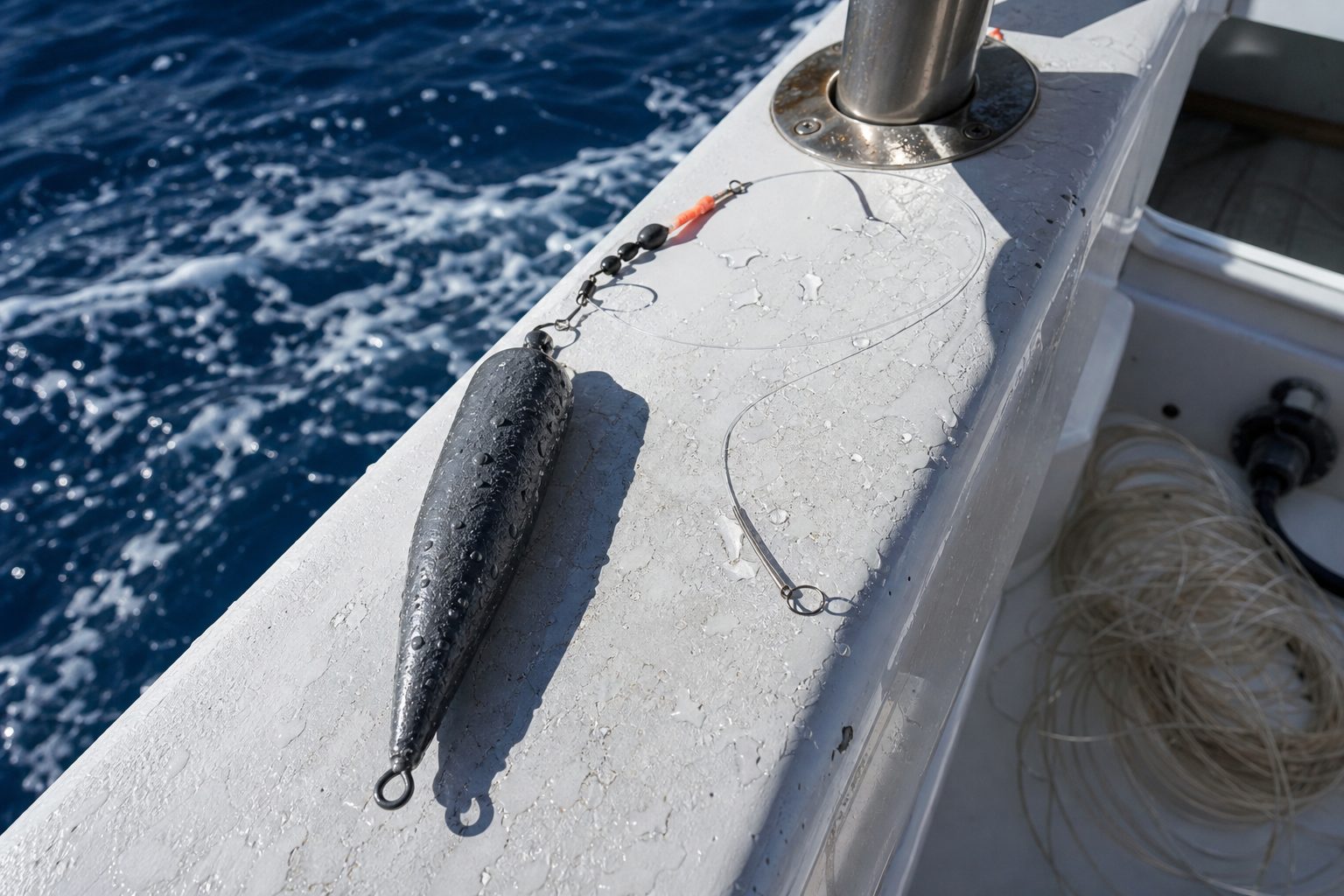
Descending Devices, Circle Hooks and Where Release Rules Head Next
The DESCEND Act put a descending device on every reef fish boat in Gulf federal waters, and circle hook and safe release rules keep spreading. A look at the gear required now and the rules forming behind it.
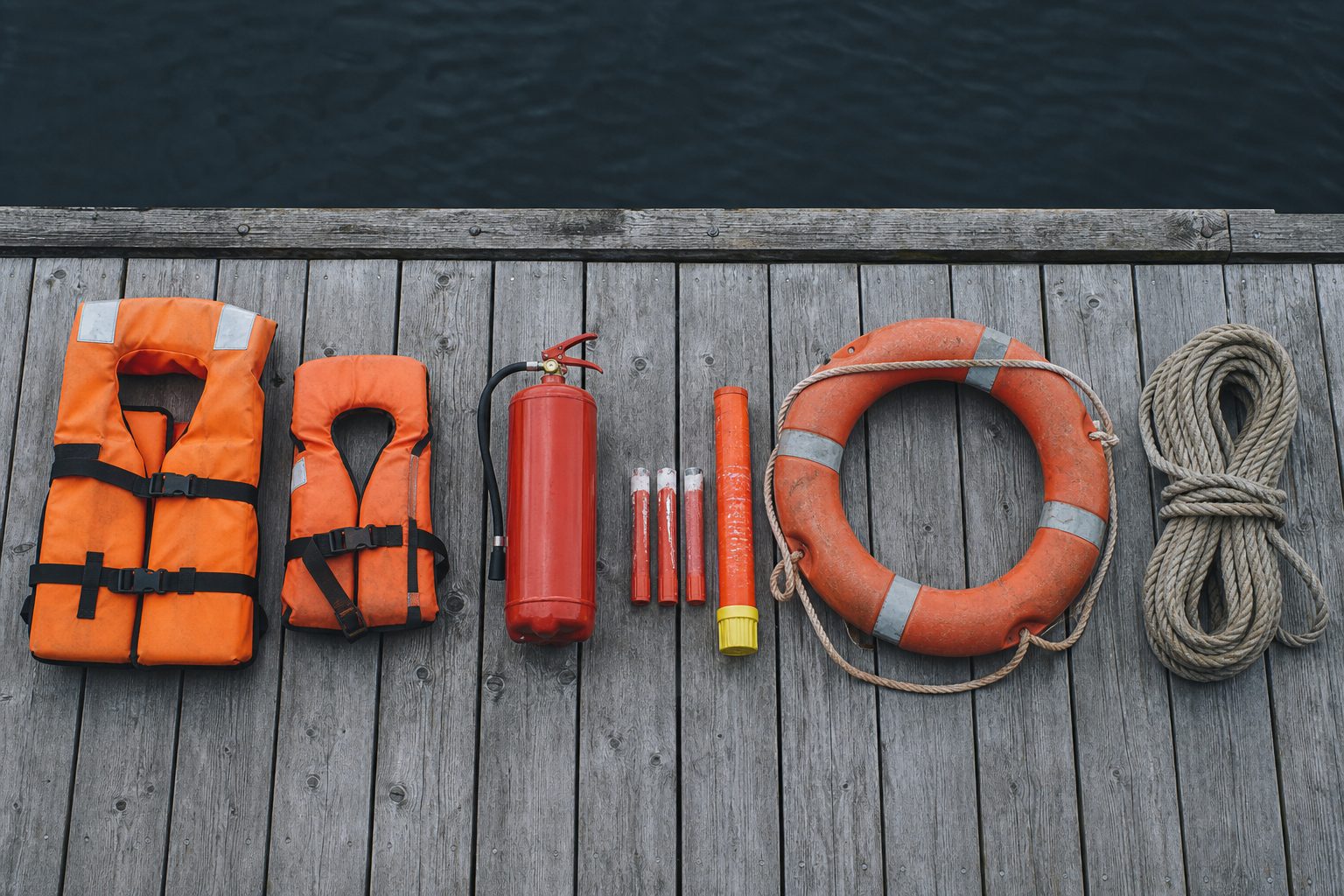
Dockside Safety Checklist for a Six Passenger Charter Trip
Life jackets, visual distress signals, extinguishers, placards and the float plan left ashore. A dockside sweep in the order a boarding officer would run it, so nothing is missing when the lines come off.
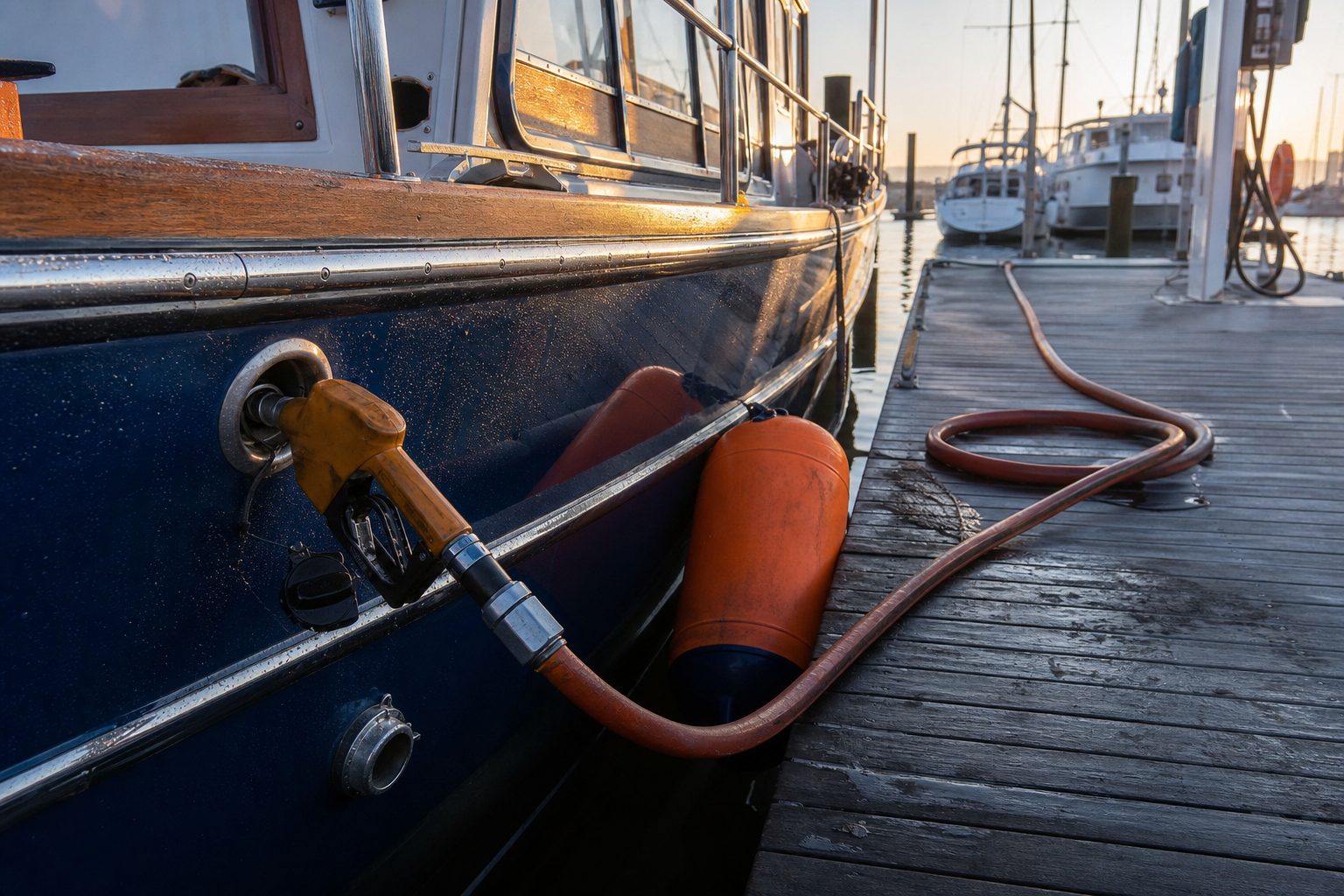
Cost Per Charter Day: Building a Real Break Even for Your Boat
Fuel burn at cruise, bait and ice, mate pay, slip fees, insurance, permits and a hull reserve. How to turn those line items into a defensible cost per trip and a floor price you will not undercut.