The party that never showed
A six-pack walks at dawn with no card on file and you eat the fuel, the bait, the ice and a mate who drove forty minutes in the dark. Most boats swallow four of these a season without ever sending an invoice.
Charter booking, built on the dock
TransomBooking runs a charter from the first ring of the phone to the fish cleaning table: dates, deposits, weather rules, mate assignments and a float plan that writes itself from the manifest. Captains use it standing at the helm on one bar of signal, with salt on their hands.
No commission on your trips. No card reader to buy. Cancel any month.
What the paper book really costs
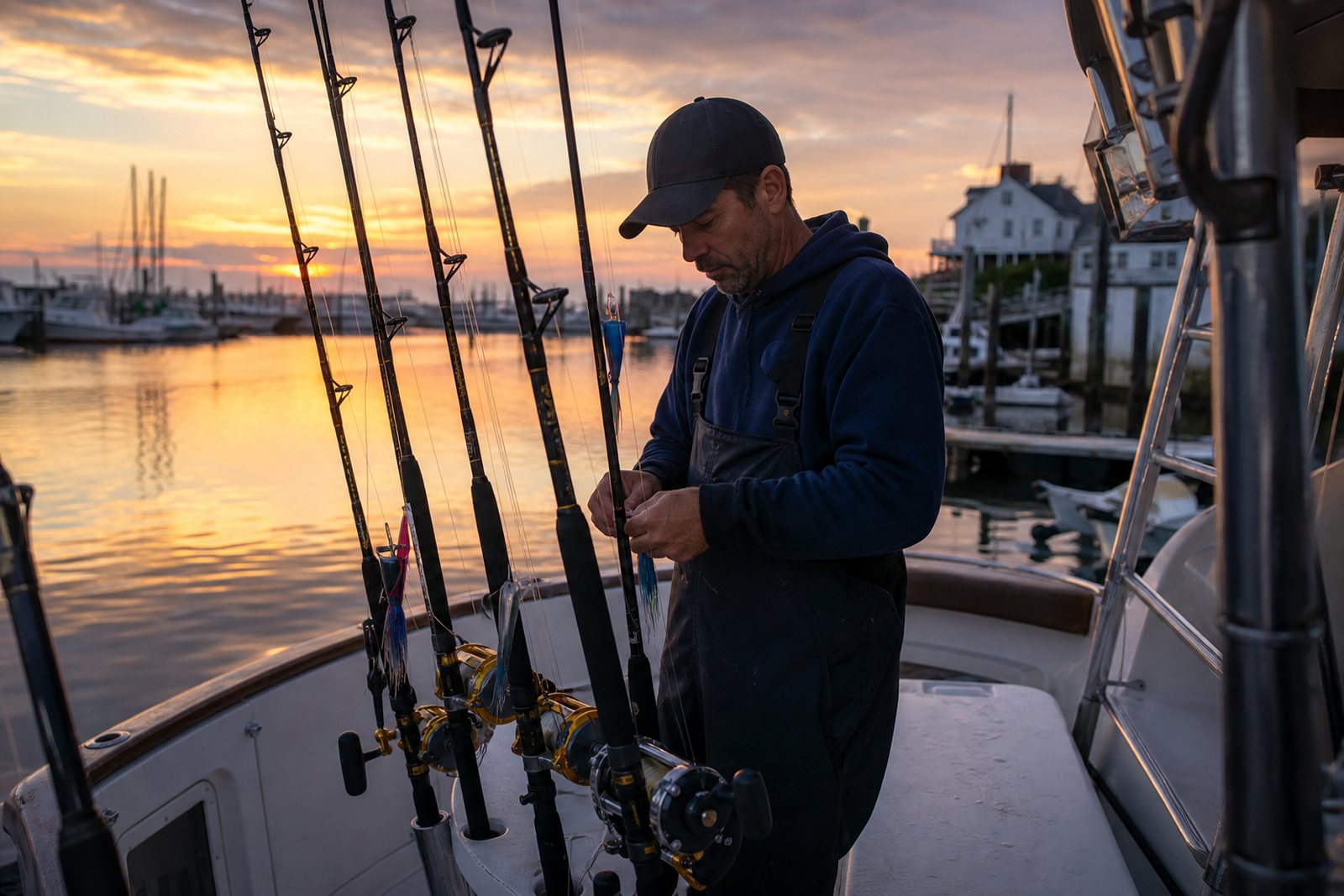
Every captain we talk to keeps the same three things in three different places: a wall calendar, a phone with 400 unsaved numbers, and a memory of who promised to pay cash on Saturday. Here is what that arrangement costs over a season.
A six-pack walks at dawn with no card on file and you eat the fuel, the bait, the ice and a mate who drove forty minutes in the dark. Most boats swallow four of these a season without ever sending an invoice.
Small craft advisory goes up at 4 a.m. and you spend the next hour explaining your refund policy to three parties who each remember it differently. Two of them still ask for the deposit back.
You know the drill: names, count, hull number, where you are headed, when you are due back. On a busy Saturday it gets skipped, and the one person ashore who should have it is the one person you did not text.
Callbacks, deposit chasing, rewriting the same confirmation text, sorting out who has the second mate on Thursday. That is more than a full working day gone every week to admin you cannot bill for.
One trip, start to finish
Four steps, all of them finished before the caller hangs up or before the online booking confirms. Nothing here asks you to sit down at a desk.
Pick the boat, the trip type and the tide window. Half day, three-quarter day, full day offshore, sunset run, private harbor tour: your own trip types with your own prices and your own passenger limits. The calendar refuses a double booking on a hull or on a mate who is already spoken for.
Six-pack limit enforced on every hold
Type the number straight into the trip, or send a one tap link by text and watch it clear on the same screen. The deposit is authorized against your rule: a flat $200, a percentage of the trip, or the full fare on a holiday weekend. The card stays on file for the balance and for damage to the rods.
Deposit held, receipt sent, trip locked
Your cancellation policy is written once and rides along with every booking: what counts as a blow, how many hours ahead you can call it, who gets a refund and who gets a reschedule credit. The customer sees the same words you do, timestamped, before they pay a cent.
Captain call, small craft advisory, reschedule credit
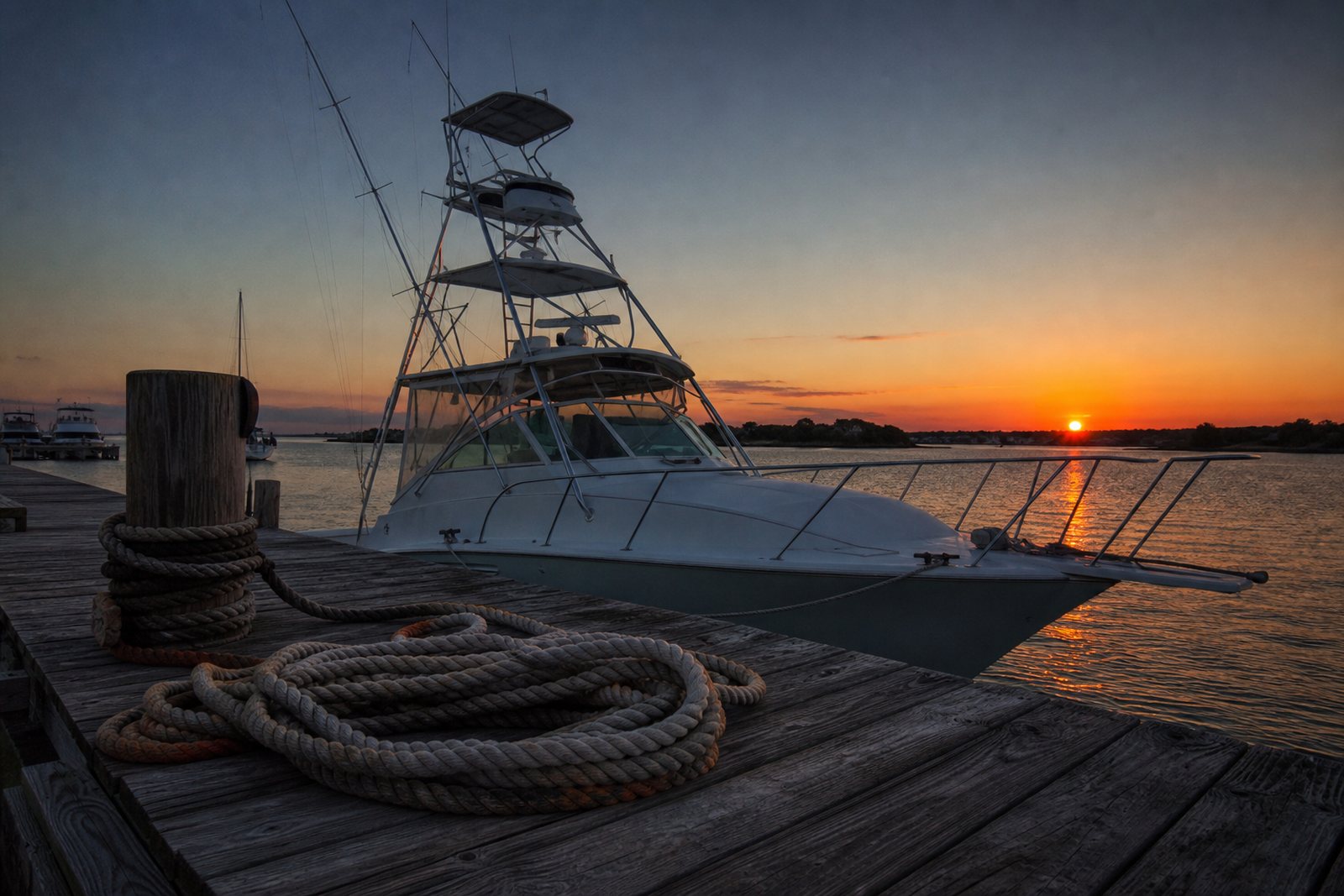
The manifest, the hull and registration numbers, the departure slip, the intended grounds, the expected return time and your emergency shore contact all come off the booking. One tap sends it to your spouse, the dock master or the marina office and starts an overdue alert if you are not back.
Filed ashore before the lines come off
 Float plan ready
What is on board
Every screen was drawn to be used with one thumb, in the sun, with a wet hand, before the engines are warm.
Set the hold per trip type and the card is authorized the moment the date is taken, cash bookings included. When a party fails to appear you charge the agreed amount from the trip screen without hunting for a phone number.
Define what a blow means on your water: wind over 20 knots, seas above 4 feet, or simply the captain's call by 6 p.m. the night before. TransomBooking applies the same rule to every booking and keeps the timestamped copy the customer agreed to.
Passenger names and counts, vessel and registration, departure slip, grounds, return time and shore contact assemble themselves into a printable plan. It goes out by text or email and raises an overdue flag if you have not marked the boat back in.
Assign the deckhand to the trip, not to the day, and the boat cannot be booked twice with the same crew. At the end of the week the split sheet totals fares, fuel surcharges and gratuity by mate so nobody argues over a number.
One link for the dock sign, the marina desk, your Instagram bio and the QR sticker on the transom. It shows real open dates, your deposit terms and your weather rule, and it never sells a seat you cannot legally carry.
Charge shoulder season on a Tuesday in April and peak on the Fourth of July without editing a price twice. Rate cards run on dates, days of the week and lead time, and every quote a customer sees is the one that gets billed.
Numbers from the fleet
These are the medians across the boats running TransomBooking through the 2025 season, measured against the twelve months before they started.
The authorization happens in the same breath as taking the date, so collecting a deposit stops being a second errand you do later and forget.
Confirmations, day-before reminders, weather notices, balance requests and the mate split sheet all go out on their own instead of costing you an evening.
No-show charges that used to be written off get collected on the card already on file, and the standby list refills roughly one in three of the holes that open up.
Because the customer accepted a timestamped weather rule in plain English at the moment of booking, a cancelled trip becomes a policy you can point at.
Dock talk
I kept the season in a spiral notebook in the wheelhouse and a second one in the truck. First week of June I had two parties show up for the same 6 a.m. and I paid one of them off out of my own pocket.
That has not happened again. The deposit is on the card before I put the phone down, and when it blows out of the northeast in October nobody argues about the refund, because they agreed to the same words I read them.
We run four bay boats and a pontoon for the sunset tours, so in July that is five manifests a day. The float plan used to be a text I typed with one hand while the captain backed out of the slip.
Now it leaves with the boat and the office knows who is aboard and when to start worrying. Our insurance broker asked for a sample copy, then asked whether the other operators he covers were using it.
Red snapper season down here is barely a month long and every single day of it has to pay. I used to give up my evenings to deposit chasing and retyping the same confirmation.
Last June I ran 41 trips and collected every deposit up front, including from two parties that never turned up. The standby list refilled one of those holes before noon the same day.
Priced per hull, not per trip
No commission on a single fare, no setup fee, no card reader to buy. The price is the same in the second week of July as it is in the first week of March.
For the owner operator running one hull and answering the phone personally.
$29per month
For the captain who bought a second hull and inherited a scheduling problem.
$69per month
For a dock office dispatching several captains and a summer tour schedule.
$149per month
Every plan is billed monthly in US dollars. Cancel from the account screen at any time and the subscription simply runs out the month you already paid for.
Questions from the fuel dock
One Boat is $29 per month and covers one vessel with unlimited trips, unlimited deposit holds and unlimited float plans. Two Boats is $69 per month and Charter Fleet is $149 per month for up to twelve hulls under one dispatch board.
Every plan is billed monthly in US dollars and you can cancel from the account screen at any time. There is no setup fee and no commission on each booking, so a busy July never costs you more than a slow February.
Most captains are taking live bookings the same afternoon they sign up. You enter the boat, your trip types with their durations and prices, the deposit amount and your weather rule, and the booking page is ready to send.
Pulling last season's repeat customers in from a spreadsheet takes another twenty minutes. We stay on the phone with you for the first three bookings if you want the company.
Your customer list belongs to you and is never sold, rented or handed to another operator. Card details are held by a licensed payment processor, so full card numbers never sit on our servers or on the phone in your pocket.
We keep the last four digits and the authorization reference so you can match a deposit to a trip. Every booking, customer and deposit record exports to CSV whenever you ask for it, including on the day you decide to leave.
Trips push to Google Calendar and Apple Calendar, so your mate reads the same schedule you do. Deposits and balances reconcile into QuickBooks Online and Xero with the trip number attached to each line.
Confirmations and weather notices go out by email and by SMS through a US carrier gateway. If a marina desk or a listing site sends you business, you can drop those trips straight onto the same dispatch board.
Cancel from the account screen and the plan runs out the month you already paid for. Nothing else is charged and nothing is prorated.
Your records stay available for export for ninety days after the final billing date. Plenty of Northeast captains stand down in December and come back in April, and their trip types, rates and customer history are exactly where they left them.
The page is not there to replace the phone. Take the call the way you always have, then read the caller's card into the same screen while they are still talking, and the deposit is held before you say goodbye.
About sixty percent of the trips booked on TransomBooking still start as a voice call, and those are exactly the ones where the deposit and the float plan used to get skipped. The booking page mostly catches the people who call at 9 p.m. when you are already asleep.
Charter Log
Charter Log is our magazine on licensing, federal permits, insurance, weather calls and the arithmetic behind a charter day. Three recent pieces are below.
practical guide
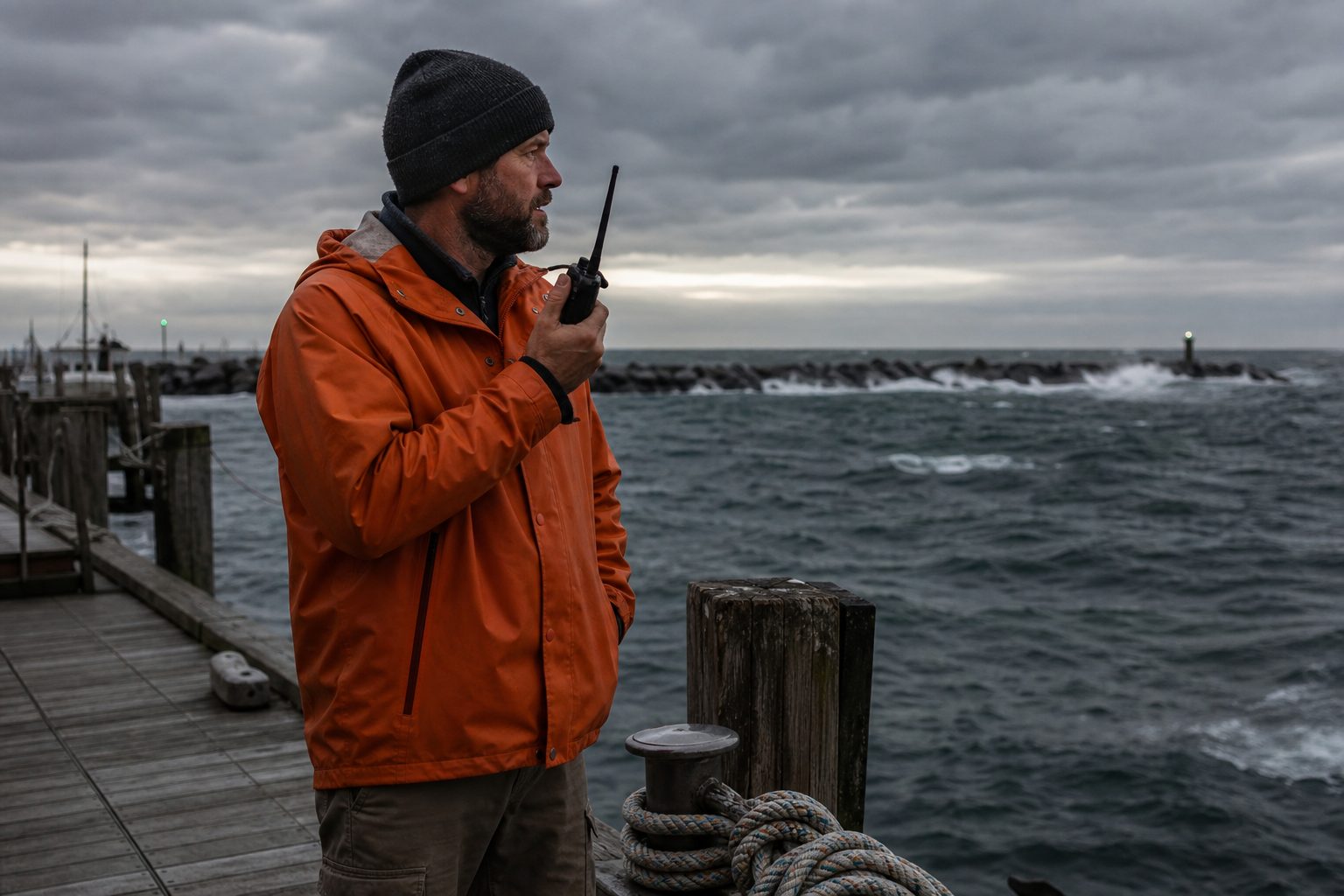
Deposits, captain's call weather rules and refund language decide who eats the loss when a front moves in. Here is how to build a policy clients agree to in writing and a processor will back in a dispute.
comparison
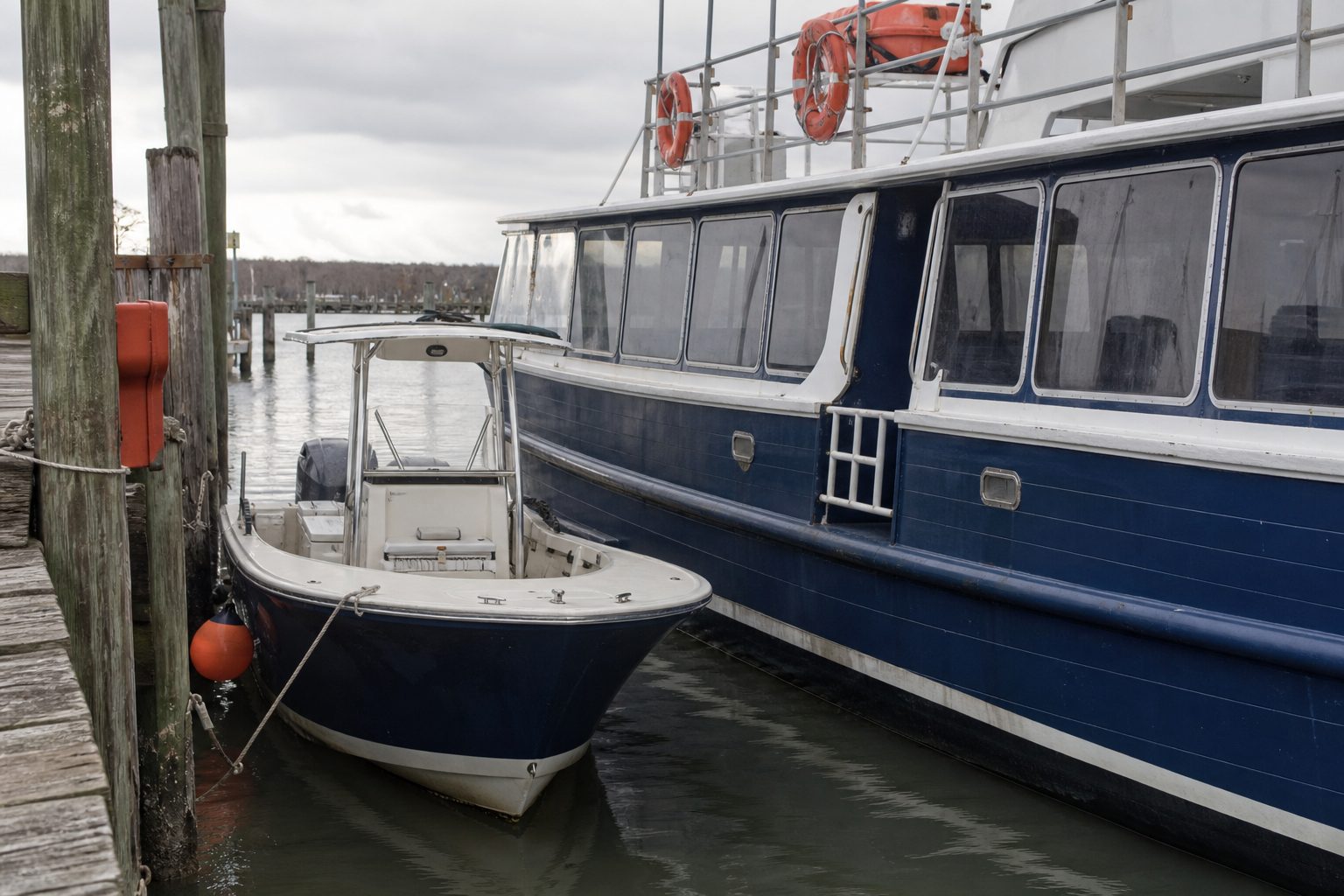
Six passengers or twenty seven, uninspected hull or inspected Subchapter T, inland or near coastal. The two credentials rest on different sea service, tonnage and vessel rules, and the choice sets your ceiling for years.
mistakes to avoid
A pleasure use hull policy will not answer for a paying passenger or an injured mate. These are the coverage gaps that surface after the claim: crew status, protection and indemnity limits, and who is named to run the boat.
Nine pieces on permits, insurance, dockside checks, boardings and break even math, all published September 3, 2026.
Tie up alongside
Send the details below and Jimenez Julien answers personally, usually within one business day. We will ask about your trip types, your deposit habits and the weather call you hate making, then set up a sample week on your own boat so you can see it before you decide anything.
One reply, from a person, usually inside a business day. If you would sooner skip the form, the direct line is jimenezjulien42@gmail.com.

Written and maintained by Jimenez Julien. He builds and runs TransomBooking from end to end, sits in on charter demos himself and rewrites this page whenever the product changes. Read how the software is built and who is accountable for it on the author page.