numbers and benchmarks
Cost Per Charter Day: Building a Real Break Even for Your Boat
Fuel burn at cruise, bait and ice, mate pay, slip fees, insurance, permits and a hull reserve. How to turn those line items into a defensible cost per trip and a floor price you will not undercut.
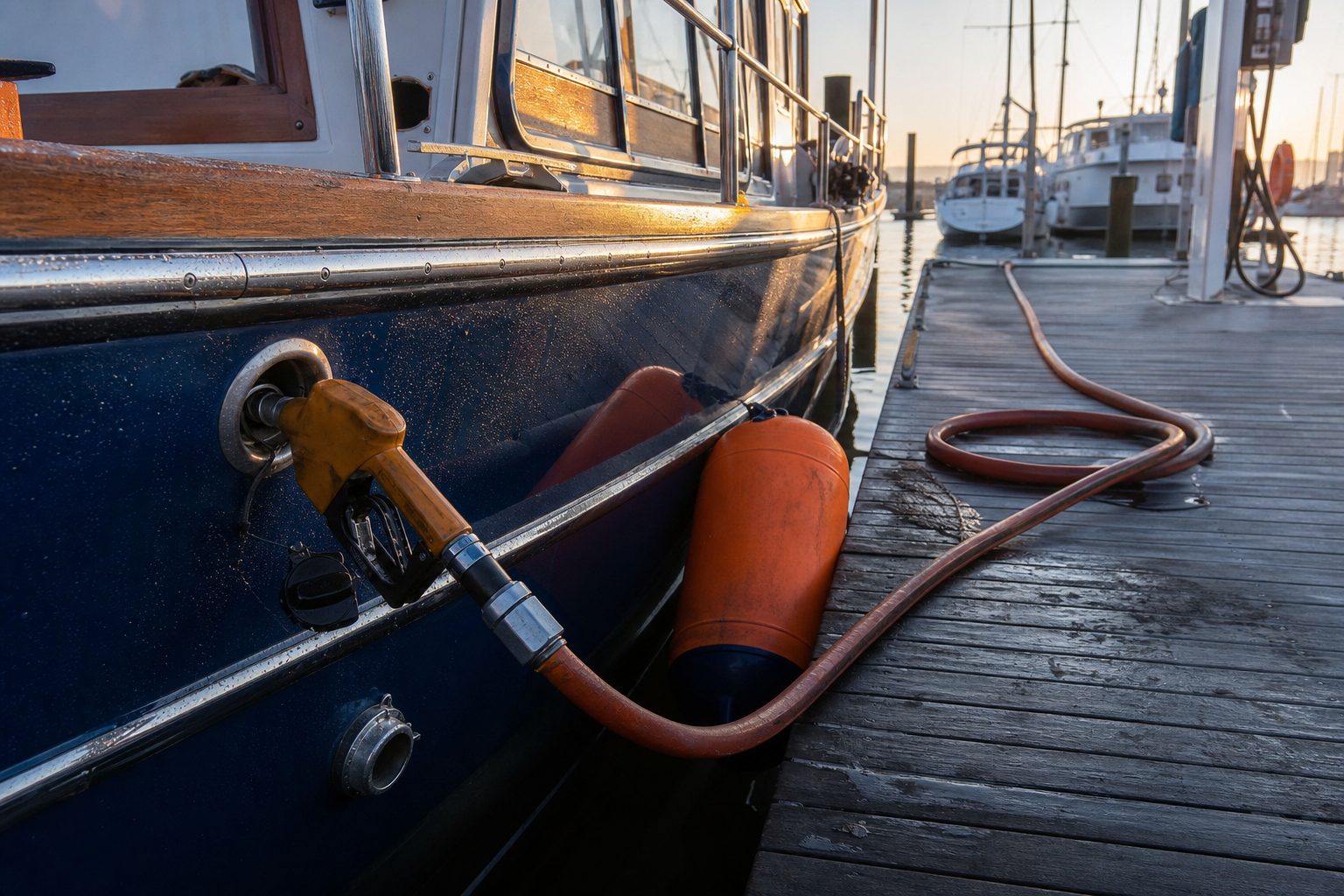
Fixed season costs versus variable costs per trip
Every charter operator faces two broad categories of expense: fixed costs and variable costs. Fixed costs are paid whether the boat leaves the dock every day or sits idle for a week. These include slip fees, insurance, permits, seasonal haul outs, and annual maintenance. Variable costs climb with each trip: fuel burned, bait used, mate pay, and gear lost or worn out.
To build a true break-even, list out every cost that you pay in the off-season or before the boat runs the first trip. Then, for each trip, track what you spend on running the boat and delivering the service. The split between these categories shapes your minimum price and your profit margin. Operators who only focus on fuel or bait can find themselves surprised at season's end, wondering where the margin went.
Understanding the difference is the first step toward setting a defensible floor price. You need to know not just what a trip costs in gas and bait, but what it needs to pull in to cover a season's worth of fixed bills, even in a slow month.
Keep reading: What a Coast Guard Boarding of a Charter Boat Looks Like
Fuel: gallons per hour at cruise and how to measure yours
Fuel is often the largest single line item for a charter day, especially with larger outboards or diesels. Many operators estimate fuel use by years of habit, but newer engines and changing trip patterns mean these guesses can be off. The real number is gallons per hour at cruise, the steady-state speed you run during most trips, not wide open or idling at the dock.
How to measure your true burn
Start with your engine specs, but confirm with actual trips. Fill the tanks to the top, run a typical day, then refuel at the same pump and note gallons needed. Divide gallons used by hours at cruise, not total trip hours, to get a fair gallons-per-hour figure. Over a few trips, average these numbers. Be sure to include running offshore, trolling, and the run home, weighted for your usual charters.
For multi-engine setups, measure both engines or use an onboard fuel flow meter if available. The difference between a guess and a measured average can be surprising, off by several gallons per hour, which adds up across a season.
Why it matters
Every extra gallon means more spent per trip. If you run a six-hour trip and burn 15 gallons per hour, that is 90 gallons for the day. Multiply by the dock price per gallon, if it is $5.00, then fuel alone is $450 for the trip. Underestimating by just two gallons per hour adds $60 in actual cost, which erodes your profit if not accounted for.
Bait, ice, terminal tackle and gear lost per trip
Consumables make up a steady drain on margin. Bait is usually purchased fresh, frozen, or caught ahead of time. Ice, while less expensive, is still a daily need most months. Terminal tackle, hooks, leaders, sinkers, can vanish by the handful on a busy day with novice anglers or tough bottom.
Tracking per-trip usage
Keep a running log of bait used, how much is leftover, and what gets thrown out. This helps avoid overbuying and spoilage. Ice is easier: count coolers filled or bags hauled aboard for each trip. Gear losses are less predictable, but a simple tally sheet for hooks, rigs, and sinkers lost during each outing can reveal patterns over time.
Some operators set a standard per-trip restock list and adjust based on weather, season, or target species. Replacing one lost gaff or net in a single trip can blow out the projected cost, so add a small contingency for oddball losses across the season.
Example calculation
If a trip uses $40 in bait, $12 in ice, and averages $25 in terminal tackle lost or worn out, that is $77 in variable cost before even considering gear breakage. Multiplied by the number of trips in a season, this line item deserves close attention in your break-even analysis.
Keep reading: How to Write a Charter Cancellation Policy That Survives a Chargeback
Mate pay, tips and the payroll cost behind them
Most charters run with at least one mate. Pay structure varies: flat fee per trip, percentage of the trip price, or a combination plus tips. The operator is responsible for payroll taxes, even if mates take home most of their pay in cash tips.
Flat pay versus percentage
A flat day rate is common for short trips or when the mate helps prep and clean. Some operators pay mates 15 to 20 percent of the charter fee, which aligns their interests with delivering a good trip. When tips are substantial, some captains offset base pay with a policy that tips are part of the total compensation.
Payroll taxes must be included. If you pay your mate through payroll, you are responsible for Social Security, Medicare, and unemployment insurance. Even if mates are considered contractors, the IRS may view them as employees if they work under your direction and use your gear. Factor in these additional costs when building your per-trip labor line item.
Tips and customer behavior
Tips are variable, and while most clients leave one, the amount can swing with the catch, weather, or client expectations. Some operators suggest a standard tip, but counting on tips to cover the mate's pay can leave you short on slow days. Your break-even should be based on what you pay, not what you hope the customer leaves.
Slip fees, haul outs and the bottom paint cycle
Where you keep the boat and how you maintain it drives a big piece of your fixed costs. Slip or dockage fees are billed monthly or seasonally. In busy harbors, these can be one of the largest fixed expenses, especially for larger boats or those with premium locations.
Haul outs and storage
Most operators haul out at least once a year for bottom inspection, paint, and running gear checks. Some yards charge by the foot, with additional charges for pressure washing, painting, and storage if you stay out of the water for winter. These costs are due whether you run 10 trips or 100.
Bottom paint and zincs
Anti-fouling bottom paint needs to be reapplied every one to three seasons, depending on use and water conditions. Zincs need replacement at haul out. These costs are best averaged across the expected life of the paint or zincs, then divided by the number of trips per season for a true per-trip cost.
Maintaining a clean bottom and fresh zincs is more than compliance. Skipping this cycle means higher fuel burn and risk of breakdown, which raises your variable and fixed costs in the long run.
See how TransomBooking handles this for charter fishing and marine tourism
Insurance, permits, credential renewal and association dues
Legal operation demands a stack of paperwork and annual fees. Commercial marine insurance is required by most marinas and is essential for protecting your business. These premiums are typically billed annually, with costs linked to hull value, area of operation, and claims history.
Permits and licenses
Permits for fishing, sightseeing, and passenger carriage vary by state and fishery. Some are annual, others are for shorter terms or specific species. Credential renewal, such as captain's license and medical cards, comes up every few years but should be budgeted as a pro-rated annual cost.
Association and membership fees
Most charter operators join professional associations for advocacy, marketing, or insurance discounts. These dues are usually annual and predictable. While not required, failing to belong can mean missing out on leads and support when rules change or enforcement tightens.
Add all these line items to your fixed cost bucket. When you divide by projected trip count, they can add a surprising amount to your per-trip minimum, especially if you run fewer trips than planned in a slow season.
Engine hours and the repower reserve most boats never fund
Engines, whether outboard or inboard, have a finite lifespan. Each hour of operation brings the motor closer to overhaul or replacement. Most operators know the book value or expected hours for their engine model, but few set aside a true reserve for when that day comes.
Calculating a repower reserve
Take the cost of a new or rebuilt engine, add installation and related parts, then divide by the expected useful hours. For example, if a repower costs $30,000 and your engines last about 3,000 hours, that is $10 per engine hour. Multiply that by hours run per trip, and you have a per-trip reserve amount. Few operators actually save this on every charter, but including it in your cost model prevents sticker shock when the time comes.
Wear on other systems
It is not just engines. Generators, electronics, pumps, and safety gear all age with use. While smaller items can be handled as repairs arise, major systems should have a reserve built into either your per-trip or per-season cost structure. Boat owners who ignore this eventually face large capital outlays that can wipe out several seasons of profit.
A well-funded hull and engine reserve turns an unpleasant surprise into a planned expense, smoothing out the spikes in cash flow and letting you set a price that will keep the boat running for the long haul.
Turning the total into a floor price for half and full days
Once you have a complete list of costs, fixed and variable, the next step is to turn those into a per-trip minimum, the floor price you should never undercut. Add up all fixed costs for the season: insurance, slip, permits, reserve funds, and annual maintenance. Estimate a reasonable number of trips based on past seasons and local demand. Divide total fixed costs by trip count to get a fixed cost per trip.
Now add the variable costs that scale with each trip: fuel, bait, tackle lost, mate pay, and daily consumables. The sum of fixed cost per trip and variable per-trip costs gives your true break-even. For half-day trips, recalculate fuel, bait, and mate pay as needed, these will often be lower than a full day, but fixed costs per trip may rise if you run more half-days and fewer full-days in a season.
Set your published prices above this break-even, with enough margin for profit and future reserves. Review your numbers at mid-season and after weather cancellations to keep your floor price realistic. Many operators use a booking and float plan tool that not only tracks deposits and cancellations but helps standardize trip pricing and cost analysis. This makes it easier to avoid underpricing and ensures your break-even is built on real numbers, not guesswork.
More from Charter Log
Read also
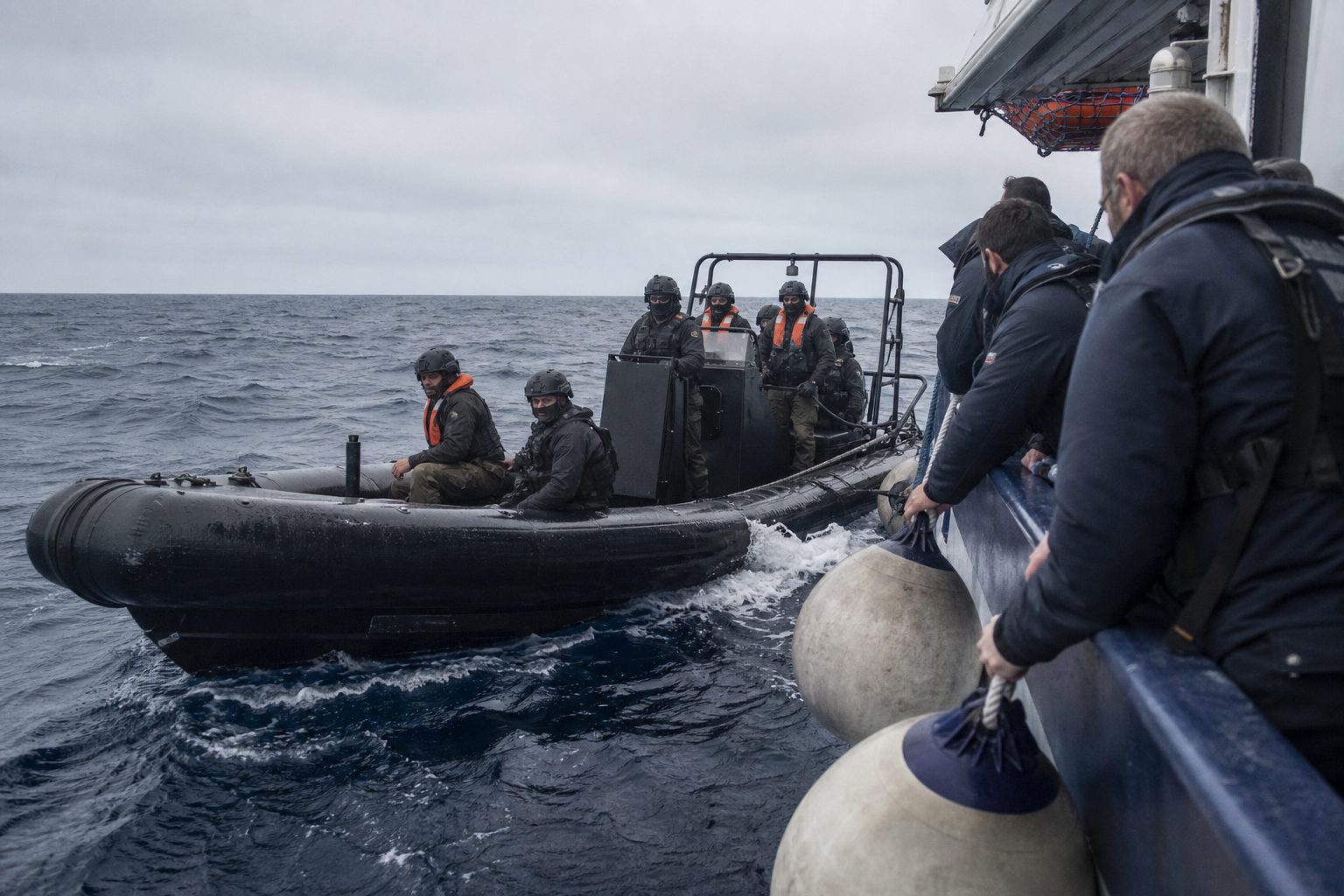
What a Coast Guard Boarding of a Charter Boat Looks Like
The blue light comes on, a small boat comes alongside and two officers step aboard with paying passengers watching. A walk through of what gets checked, in what order, and how the trip usually resumes.
How to Write a Charter Cancellation Policy That Survives a Chargeback
Deposits, captain's call weather rules and refund language decide who eats the loss when a front moves in. Here is how to build a policy clients agree to in writing and a processor will back in a dispute.
OUPV Six Pack vs Master 100 Ton: Which License Your Charter Needs
Six passengers or twenty seven, uninspected hull or inspected Subchapter T, inland or near coastal. The two credentials rest on different sea service, tonnage and vessel rules, and the choice sets your ceiling for years.