field report
What a Coast Guard Boarding of a Charter Boat Looks Like
The blue light comes on, a small boat comes alongside and two officers step aboard with paying passengers watching. A walk through of what gets checked, in what order, and how the trip usually resumes.
Being hailed: handling the boat and settling the passengers
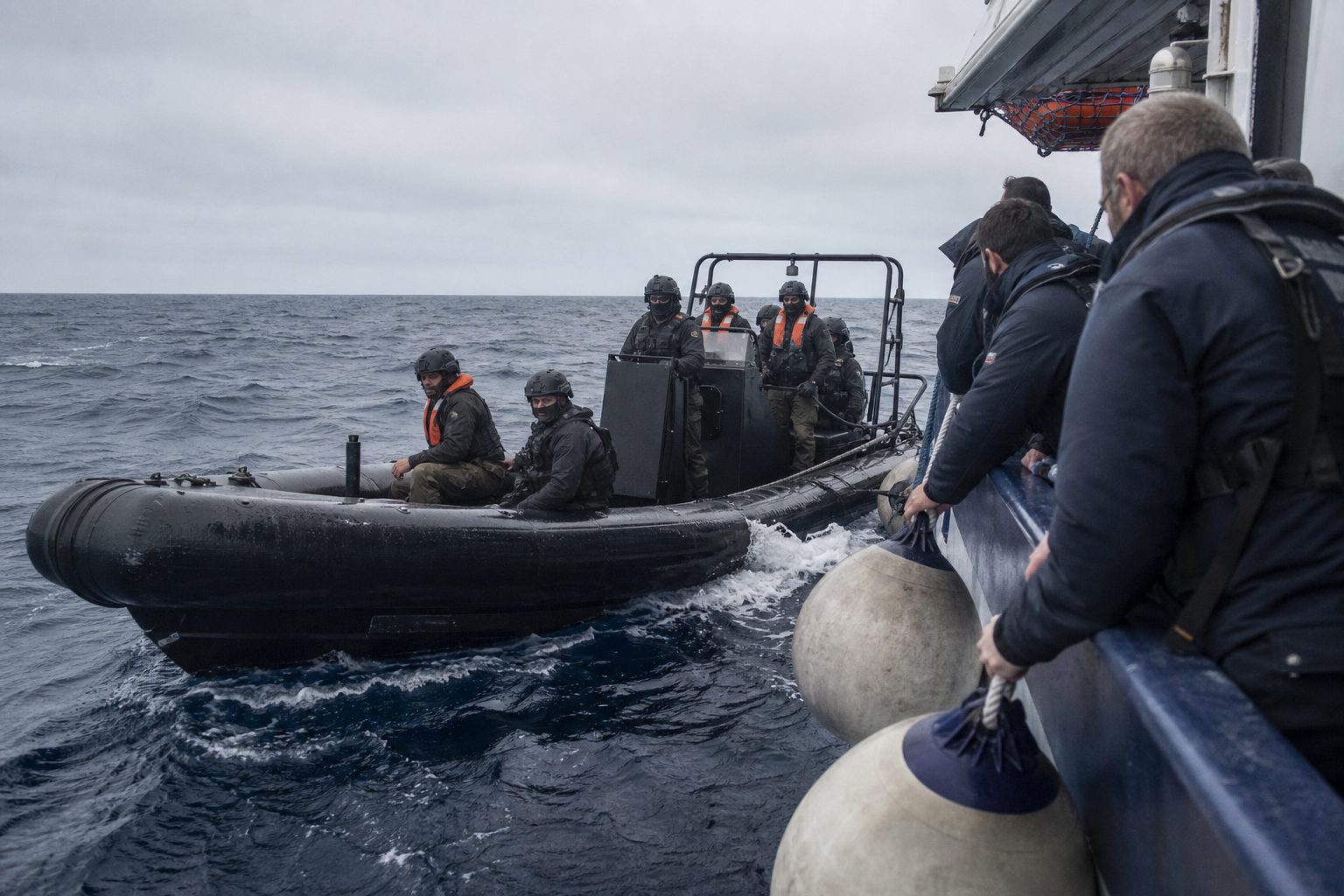
It usually starts with a blue flashing light, a siren, or a hail over VHF. The Coast Guard patrol craft approaches, often from astern or off the beam. The coxswain will call your vessel by name or registration number, sometimes with a request to shift to a working channel. The goal is to establish clear communication and make their intentions known before they come alongside.
As the captain, your first move is to acknowledge the hail and reduce speed. Bring your boat to neutral, then idle, keeping a steady heading. Make sure your wake is minimal and your engines are responsive. The Coast Guard will match your speed and come alongside, typically on the port side. Have your crew ready fenders if seas are up or the approach is tight.
Passengers need to know what's happening. Make a brief announcement: let them know the Coast Guard is boarding for a routine safety inspection. Reassure them that this is standard procedure and there is nothing to be concerned about. Calm, clear instructions go a long way to prevent nervous chatter or sudden movements. Ask everyone to stay seated and keep hands clear of railings where the CG boat will come alongside.
Keep reading: How to Write a Charter Cancellation Policy That Survives a Chargeback
The initial safety sweep once officers are aboard
As soon as the Coast Guard boarding team steps aboard, their priorities are safety and control. They almost always split up: one officer speaks with the captain, the other scans the deck and cabin. The team will introduce themselves and explain the purpose of the stop. Weapons are visible but remain holstered unless there is an obvious threat.
The officers do a quick visual sweep. They look for obvious hazards: trip risks, spilled fuel, exposed wiring, or anything that could put them, your crew, or passengers in danger. They check that everyone is accounted for and no one is in distress. If necessary, they'll ask you to move to a different part of the boat to keep the boarding area clear.
Next comes a brief check for compliance with basic safety rules. They will want to know where your safety equipment is stored: fire extinguishers, life jackets, and throwable devices. If anything looks out of place or is missing, expect questions. Most officers start with courtesy and work up to citations only if there is a major deficiency or an attitude problem.
Documents: credential, vessel registration and permits
After the sweep, attention shifts to paperwork. The boarding officer asks for your captain's license, Merchant Mariner Credential or Operator of Uninspected Passenger Vessels, as appropriate. They want to see the original, not a photocopy. Keep it in a waterproof sleeve or binder, somewhere dry and easy to reach.
The next request is for vessel documentation. If federally documented, show the Certificate of Documentation. If state registered, present the registration card. The officers check that the numbers on the document match those displayed on the hull or documentation plaque. Expired paperwork gets flagged immediately.
Commercial fishing or charter permits are next. Depending on your area and target species, this could mean federal permits for reef fish, tuna, or highly migratory species. State-issued charter licenses are also checked. If you run specialty trips, diving, whale watching, eco-tours, have those permits available. The goal is to confirm you are operating within the legal scope for your vessel and location.
In most cases, officers will also want to see your current insurance certificate, though it is not always required for the inspection itself. Having it ready helps move the process along. If you run trips in federal waters, keep a copy of your Notice of Arrival and float plan, if required, at hand.
Keep reading: OUPV Six Pack vs Master 100 Ton: Which License Your Charter Needs
Life jacket count against the passenger count
The next step is a headcount. The officer asks how many people you have aboard, including crew. They will often count heads themselves. Then comes the request to produce life jackets, one for every soul on board. You need to show that each is the correct type, in serviceable condition, and accessible, not buried in a locker under gear.
Children's life jackets get special attention. If you have minors aboard, you must produce child-size vests that meet Coast Guard standards. The officer may ask a parent to point out their child's jacket. In some cases, they'll ask you to demonstrate donning one, especially if the jackets are stored in an unusual location.
Throwable flotation devices are also on the checklist. On vessels over 16 feet, at least one Type IV device is required and must be immediately available. If your boat is larger or carries more than six passengers, expect a check for additional equipment like life rings or buoyant heaving lines. Everything should be clean, functional, and properly marked with the vessel's name if required by regulation.
Fish box inspection, species, sizes and bag limits
If you are running a fishing charter, the fish box is always opened. The officers inspect your catch for species, size, and bag limits. Expect them to measure fish using their own rulers or boards, not yours. They are looking for undersized or out-of-season species and overlimits. If you have multiple anglers, be ready to explain how the catch is divided among clients.
Federal and state regulations often differ, especially for reef fish, snapper, grouper, and pelagics. Officers will ask where you were fishing, state or federal waters, as this determines which limits apply. If your clients keep their catch in separate coolers, show the separation clearly. Mixing catch can create confusion and possible violations, especially if someone is over their personal limit.
For catch-and-release trips, officers may ask to see your circle hooks, dehooking devices, and venting tools. Some species, like red snapper, require specific gear for compliance. If you are targeting highly regulated species such as red drum, cobia, or sharks, have your permit and logbook ready if required. The inspection is thorough but usually straightforward if you keep good records and educate your clients up front.
See how TransomBooking handles this for charter fishing and marine tourism
Marine sanitation device and discharge checks
All inspected vessels and most uninspected passenger vessels with installed toilets must have a USCG-approved marine sanitation device (MSD). The boarding officer will ask where your head is located and request to see the MSD. Type I and II devices must be operational and capable of treating waste to required standards. Type III devices must be locked and valves set to prevent overboard discharge in restricted waters.
If you have a Y-valve, the officer will want to see it locked or clearly tied off when within three miles of shore. Some officers will actually operate the valve to confirm it is not discharging. Discharge logs may be reviewed on inspected vessels operating in certain waters. Portable toilets are checked for secure installation and proper disposal procedures.
Bilge and graywater discharges are also on the radar. Officers look for oil sheens, improper garbage disposal, and evidence of recent pumping. Garbage placards, oil discharge placards, and pollution response plans must be posted in the cabin or near the galley on larger vessels. Fines for violations can be severe, so double-check your systems before every trip.
Written warnings versus a termination of voyage
Most Coast Guard boardings end with a written checklist. If minor issues are found, expired flares, missing documentation, or a misplaced fire extinguisher, officers may issue a written warning. This is a notice to correct the deficiency before your next trip. Warnings do not go on your record unless the same issue is found repeatedly.
Serious violations can lead to a termination of voyage. Reasons include missing life jackets, non-functioning fire suppression, operating without a license, or significant pollution threats. If your trip is terminated, you must return to port immediately. The Coast Guard may escort you back or provide instructions over the radio.
Repeated or willful violations can result in fines, loss of license, or vessel seizure. However, most boardings do not escalate to this level. Good recordkeeping, regular equipment checks, and a cooperative attitude usually mean you finish the inspection with nothing more than a signed checklist. Officers may even thank you for your professionalism before leaving you to resume your trip.
Talking to your clients while it is happening
Throughout the boarding, keep your passengers informed. Calm explanations prevent panic and set the tone. Tell clients that these inspections are routine and intended for everyone's safety. If someone asks if they are in trouble, reassure them that the process is standard for all commercial vessels.
Ask passengers to stay seated and avoid approaching the officers. If the Coast Guard asks to speak with a passenger, usually to confirm the number aboard or ask about safety equipment, encourage honesty and let them answer directly. Do not coach or prompt responses. Officers notice this and may interpret it as interference.
If a client expresses frustration about the delay, remind them that compliance keeps the whole industry running. Let them know you will make up as much fishing or sightseeing time as possible, within reason. Most customers accept the wait if you remain calm and professional. When the inspection ends, thank clients for their patience. A little transparency goes a long way toward maintaining trust and securing repeat business.
Making the boarding process smooth requires organization and up-to-date records. Tools that create digital float plans, capture deposits, and set weather cancellation policies help keep your operation compliant and ready for inspection. Having everything in order not only impresses the Coast Guard but also reassures your passengers that their safety is your top priority.
More from Charter Log
Read also
How to Write a Charter Cancellation Policy That Survives a Chargeback
Deposits, captain's call weather rules and refund language decide who eats the loss when a front moves in. Here is how to build a policy clients agree to in writing and a processor will back in a dispute.
OUPV Six Pack vs Master 100 Ton: Which License Your Charter Needs
Six passengers or twenty seven, uninspected hull or inspected Subchapter T, inland or near coastal. The two credentials rest on different sea service, tonnage and vessel rules, and the choice sets your ceiling for years.
Charter Boat Insurance Mistakes: Crew, Passengers and Named Operators
A pleasure use hull policy will not answer for a paying passenger or an injured mate. These are the coverage gaps that surface after the claim: crew status, protection and indemnity limits, and who is named to run the boat.